Hungarian Goulash (Gulyás)
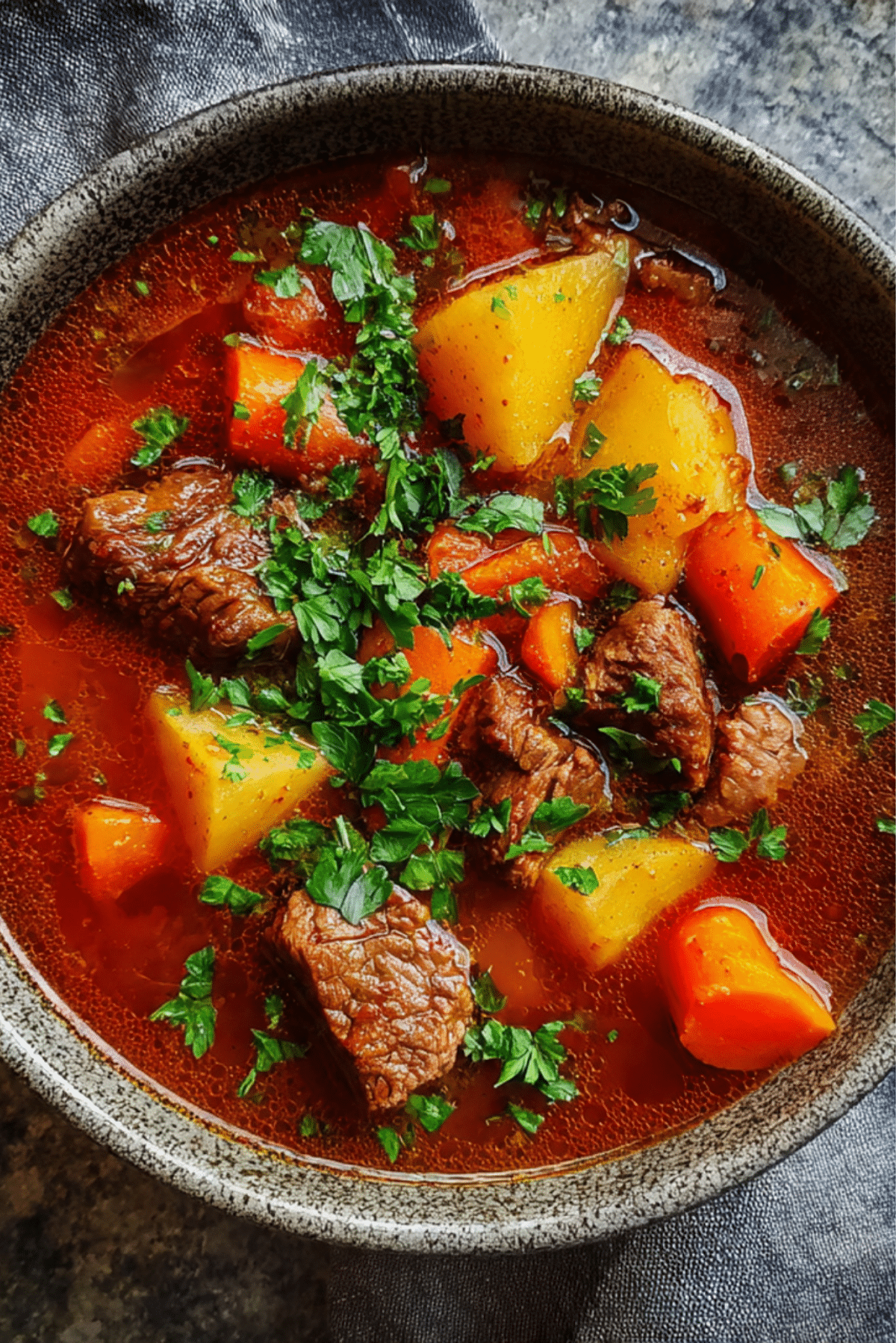
There’s something incredibly comforting about a bubbling pot of Hungarian Goulash slowly simmering on the stove. The savory aroma of paprika and beef wafting through the kitchen, the rich colors of the stew, and the deep, hearty flavor that warms you from the inside out — this dish isn’t just food, it’s a cozy experience in a bowl. With every spoonful, you taste tradition, patience, and love, all stirred together into one unforgettable bite.
Behind the Recipe
Hungarian Goulash was one of the first dishes I learned to make from my grandmother, who grew up in Eastern Europe. It wasn’t just a recipe, it was a Sunday ritual. I remember standing on a chair beside her, watching her toss chunks of beef into the pot, measure paprika with careful pride, and explain how Gulyás was more than stew — it was history. The way she layered the ingredients, slow-cooked it until the beef was fall-apart tender, and always served it with fresh bread made it feel like a warm hug every time. This dish takes me back to those golden-lit afternoons full of laughter and stories from the old country.
Recipe Origin or Trivia
Gulyás isn’t just a staple of Hungarian cuisine — it’s a national symbol. Traditionally made by herdsmen in cast iron kettles over an open fire, goulash dates back to the 9th century. The word “Gulyás” itself means “herdsman,” and it started as a portable stew that could be easily reheated while traveling. Authentic Hungarian goulash is not thick like Western stews. It’s somewhere between a soup and stew, with a broth flavored deeply with paprika and slow-simmered beef. The key spice, Hungarian sweet paprika, gives it that signature deep red color and mellow heat.
Why You’ll Love Hungarian Goulash (Gulyás)
This dish isn’t just rich in history, it’s packed with comfort and flavor. Here’s why you’ll want to make it over and over again:
Versatile: You can serve it as a soup or a stew, with bread, rice, or noodles.
Budget-Friendly: Uses humble ingredients like chuck beef, onions, and potatoes that stretch well.
Quick and Easy: Just chop, simmer, and let the pot do all the work.
Customizable: Adjust the spice level, swap veggies, or even make it in a slow cooker.
Crowd-Pleasing: Bold flavors, tender meat, and a comforting broth everyone loves.
Make-Ahead Friendly: Tastes even better the next day after the flavors deepen.
Great for Leftovers: Heats beautifully and works great in other dishes.
Chef’s Pro Tips for Perfect Results
Getting your Gulyás just right is all about building layers of flavor and patience.
- Use quality Hungarian paprika for the most authentic taste. Cheap paprika won’t give you that deep color or sweetness.
- Brown the beef in batches. Don’t overcrowd the pan or you’ll steam it instead of searing it.
- Let the onions cook down slowly before adding the meat. This forms the flavor base of the stew.
- Add the paprika after removing the pot from heat momentarily. This keeps it from turning bitter.
- Simmer low and slow. Don’t rush it — tenderness comes with time.
Kitchen Tools You’ll Need
Let’s make sure you have everything ready before we start cooking.
Large Dutch Oven or Heavy Pot: Essential for even heat and slow simmering.
Wooden Spoon: For stirring without scratching your pot.
Sharp Knife: To cube the beef and slice veggies cleanly.
Cutting Board: A solid surface for prepping ingredients.
Ladle: To serve the goulash beautifully.
Ingredients in Hungarian Goulash (Gulyás)
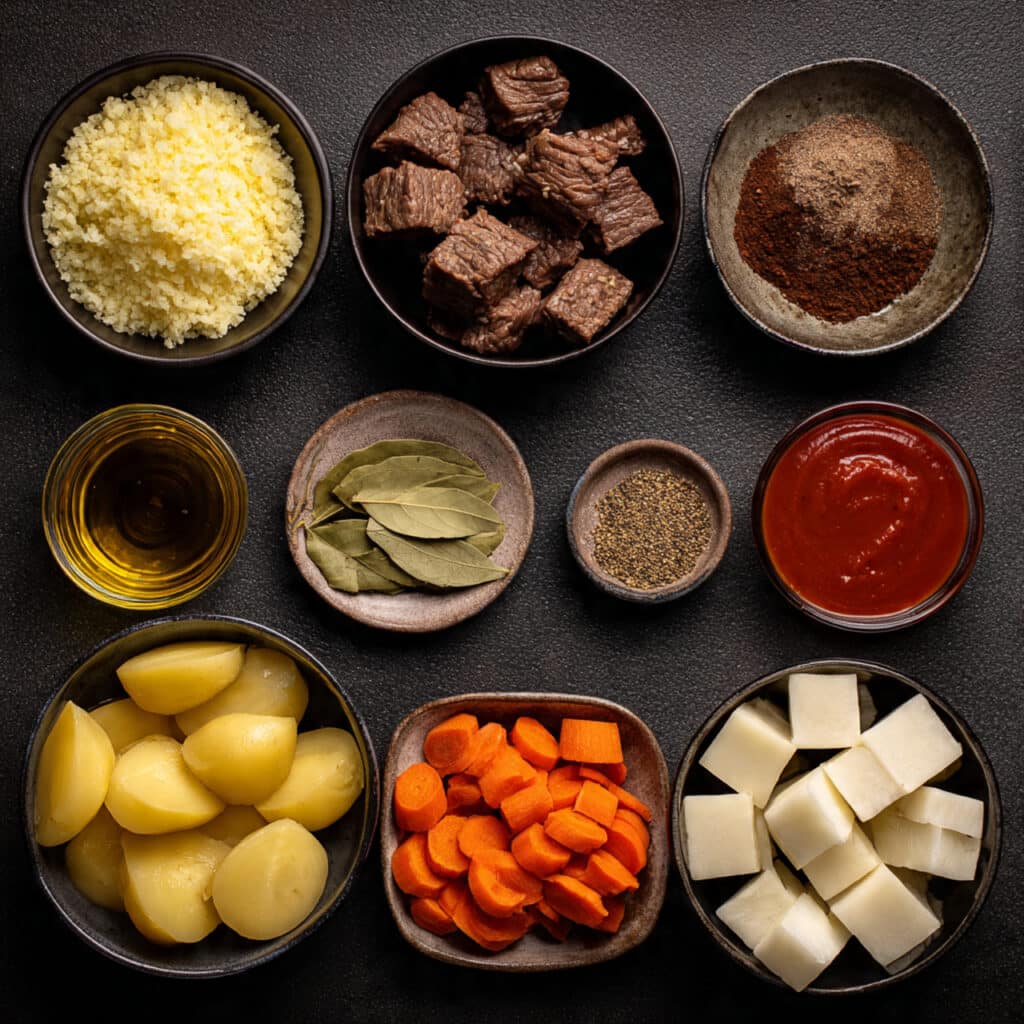
Every element in this dish has a role to play. Here’s the flavorful lineup:
- Beef Chuck: 2 pounds, cubed – the star of the stew, becomes melt-in-your-mouth tender.
- Yellow Onions: 2 large, finely chopped – create a sweet, rich base.
- Garlic: 4 cloves, minced – adds sharp warmth and depth.
- Hungarian Sweet Paprika: 3 tablespoons – gives the dish its soul and color.
- Caraway Seeds: 1 teaspoon – earthy, warm flavor with a slightly peppery bite.
- Bay Leaves: 2 – infuse subtle herbal notes.
- Beef Broth: 5 cups – the flavorful liquid that carries everything.
- Tomato Paste: 2 tablespoons – gives body and slight tang.
- Russet Potatoes: 3 medium, diced – hearty filler that soaks up the flavors.
- Carrots: 2 large, sliced – natural sweetness and texture.
- Salt and Black Pepper: to taste – balances and elevates all the flavors.
- Oil (sunflower or vegetable): 2 tablespoons – for browning and sautéing.
Ingredient Substitutions
We get it, sometimes you need to improvise. Here’s what you can swap:
Beef Chuck: Stew meat or boneless short ribs.
Hungarian Sweet Paprika: Smoked paprika (will alter flavor slightly).
Russet Potatoes: Yukon gold or red potatoes.
Caraway Seeds: Fennel seeds or cumin (use half the amount).
Beef Broth: Vegetable broth for a lighter taste.
Ingredient Spotlight
Hungarian Sweet Paprika: This isn’t just any paprika. Hungarian paprika is rich, sweet, and vivid red, giving goulash its iconic look and mellow spice.
Caraway Seeds: These tiny seeds pack a punch, adding an almost licorice-like flavor that balances the sweetness of the paprika and onions.
Instructions for Making Hungarian Goulash (Gulyás)
Alright, now comes the fun part — cooking this soul-soothing dish. Let’s take it step by step.
- Preheat Your Equipment:
Heat a large Dutch oven over medium-high heat. Add oil and let it shimmer. - Combine Ingredients:
Add the chopped onions and sauté until golden and soft. Stir in garlic and cook for another minute. - Prepare Your Cooking Vessel:
Push the pot off the heat. Add paprika and caraway seeds, stirring well so the paprika doesn’t burn. - Assemble the Dish:
Return the pot to the heat. Add beef cubes in batches, browning on all sides. Stir in tomato paste, carrots, and bay leaves. - Cook to Perfection:
Pour in beef broth and bring to a simmer. Cover and cook on low for 1.5 to 2 hours until beef is tender. Add potatoes and cook an additional 30 minutes. - Finishing Touches:
Season with salt and pepper to taste. Remove bay leaves before serving. - Serve and Enjoy:
Ladle into bowls and top with fresh parsley. Serve with crusty bread or buttered noodles.
Texture & Flavor Secrets
This goulash is all about layers. The beef becomes buttery soft after slow simmering, the potatoes break down slightly to thicken the broth naturally, and the carrots add sweetness that balances the smoky paprika. The texture is brothy but hearty, not overly thick. Every bite has a bit of everything — a spoonful of deep history and rich taste.
Cooking Tips & Tricks
Even seasoned cooks can benefit from these little tricks.
- Let the goulash rest 15 minutes before serving for flavors to meld.
- Use low-sodium broth so you can control the salt level better.
- Garnish with sour cream for a tangy, creamy twist.
What to Avoid
A few common mistakes can be easily avoided.
- Don’t burn the paprika. Always stir it off heat first.
- Don’t skip browning the beef. It builds essential flavor.
- Don’t rush the simmer. The magic happens slowly.
Nutrition Facts
Servings: 6
Calories per serving: 410
Note: These are approximate values.
Preparation Time
Prep Time: 20 minutes
Cook Time: 2 hours
Total Time: 2 hours 20 minutes
Make-Ahead and Storage Tips
Goulash actually improves with time, making it perfect for prepping ahead. Store leftovers in an airtight container in the fridge for up to 4 days. It also freezes beautifully for up to 3 months. Reheat gently on the stovetop or in the microwave, adding a splash of water or broth if needed.
How to Serve Hungarian Goulash (Gulyás)
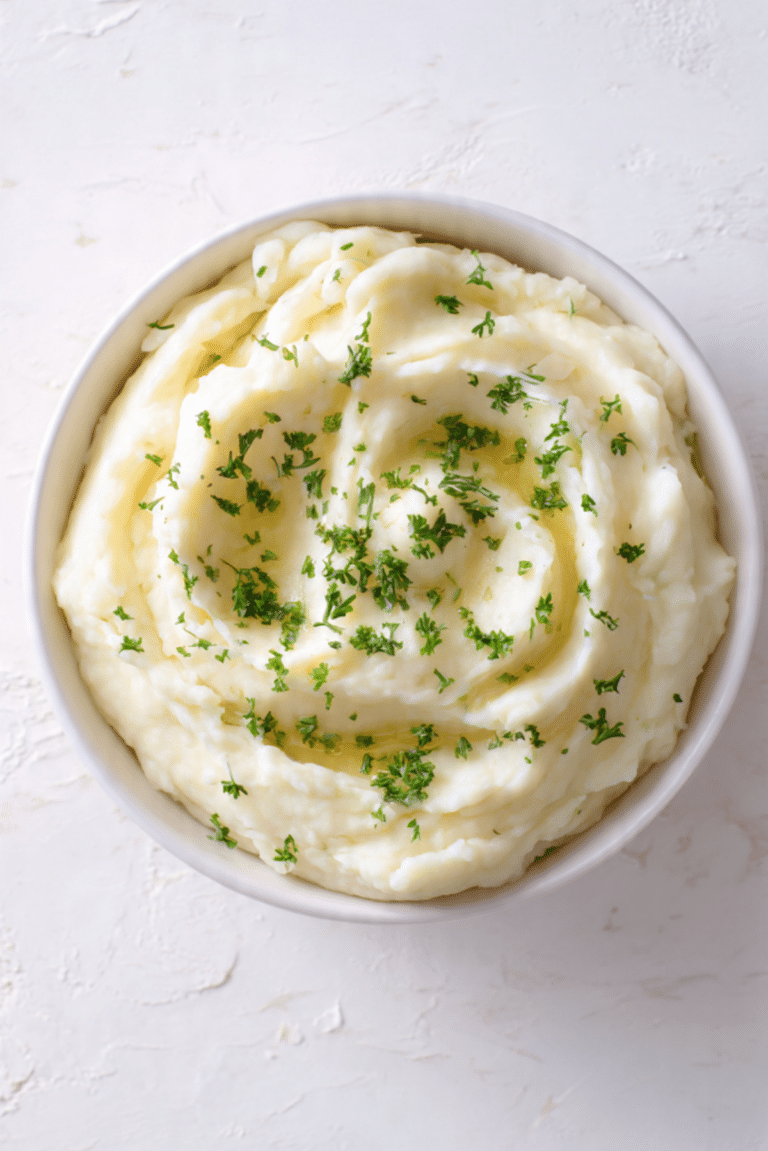
Serve it steaming hot in deep bowls, ideally with crusty bread for dipping or over buttered egg noodles. It also pairs wonderfully with a side of cucumber salad or a dollop of sour cream. For a full Hungarian experience, serve with csipetke (tiny egg dumplings).
Creative Leftover Transformations
Got extra goulash? Get creative!
- Use as a filling for savory hand pies or turnovers.
- Toss with cooked pasta for a hearty beef ragu.
- Turn it into a shepherd’s pie with a mashed potato topping.
Additional Tips
- Let the paprika bloom fully for the best color and flavor.
- If you want it thicker, smash a few potato chunks into the broth.
- Don’t skip the caraway — it’s a small detail that makes a big difference.
Make It a Showstopper
Serve it in rustic clay bowls with a swirl of sour cream, fresh parsley, and a chunk of warm bread on the side. A drizzle of olive oil and a sprinkle of coarse sea salt on top adds a final restaurant-style touch.
Variations to Try
- Spicy Goulash: Add a chopped hot pepper or cayenne for heat.
- Vegetarian Goulash: Swap beef for mushrooms and use veggie broth.
- Slow Cooker Version: Sauté onions and beef, then toss everything into the slow cooker on low for 6-8 hours.
- Gnocchi Goulash: Serve over tender gnocchi instead of noodles or potatoes.
- German-style Goulash: Use a bit of red wine and omit caraway for a darker twist.
FAQ’s
Q1: Can I make Hungarian goulash without paprika?
A1: Technically yes, but it won’t taste authentic. Paprika is the heart of this dish.
Q2: What’s the difference between goulash and stew?
A2: Goulash is thinner than stew and flavored heavily with paprika instead of thickened gravy.
Q3: Can I freeze goulash?
A3: Absolutely. It freezes well for up to 3 months.
Q4: Can I make it in the Instant Pot?
A4: Yes, just reduce cooking time and use the sauté setting to brown meat and onions.
Q5: What type of beef is best?
A5: Beef chuck is ideal for tenderness and flavor.
Q6: Can I skip the caraway seeds?
A6: You can, but they add a unique depth that enhances the dish.
Q7: How can I thicken my goulash?
A7: Smash some cooked potatoes or let it simmer uncovered to reduce.
Q8: Is Hungarian goulash spicy?
A8: No, it’s more warm and smoky unless you add heat.
Q9: Can I add sour cream directly into the pot?
A9: It’s better as a topping to avoid curdling.
Q10: What bread pairs best with goulash?
A10: Rustic sourdough or rye bread are perfect for soaking up the broth.
Conclusion
Hungarian Goulash is one of those magical dishes that brings generations together with each simmering pot. It’s hearty, rich, and bursting with the kind of flavor that feels like home. Whether you’re sharing it at a family table or freezing portions for cozy nights ahead, trust me — this one’s a total game-changer. Try it once, and it might just become your new cold-weather tradition.
Print
Hungarian Goulash (Gulyás)
- Total Time: 2 hours 20 minutes
- Yield: 6 servings 1x
- Diet: Halal
Description
A rich and hearty Hungarian Goulash (Gulyás) made with tender beef, sweet paprika, and a flavorful broth, perfect for cozy dinners.
Ingredients
- 2 pounds beef chuck, cubed
- 2 large yellow onions, finely chopped
- 4 cloves garlic, minced
- 3 tablespoons Hungarian sweet paprika
- 1 teaspoon caraway seeds
- 2 bay leaves
- 5 cups beef broth
- 2 tablespoons tomato paste
- 3 medium russet potatoes, diced
- 2 large carrots, sliced
- Salt and black pepper to taste
- 2 tablespoons oil (sunflower or vegetable)
Instructions
- Heat a large Dutch oven over medium-high heat and add oil until shimmering.
- Add chopped onions and sauté until golden and soft. Stir in garlic and cook for another minute.
- Remove pot from heat. Stir in paprika and caraway seeds to prevent burning.
- Return pot to heat. Add beef cubes in batches, browning on all sides. Stir in tomato paste, carrots, and bay leaves.
- Pour in beef broth and bring to a simmer. Cover and cook on low for 1.5 to 2 hours until beef is tender.
- Add diced potatoes and cook for an additional 30 minutes until soft.
- Season with salt and pepper to taste. Remove bay leaves before serving.
- Ladle into bowls, garnish with fresh parsley, and serve with crusty bread or noodles.
Notes
- Use authentic Hungarian sweet paprika for best flavor and color.
- Browning the beef deeply adds extra richness to the stew.
- Let the goulash rest for 15 minutes before serving for better flavor fusion.
- Prep Time: 20 minutes
- Cook Time: 2 hours
- Category: Main Course
- Method: Simmering
- Cuisine: Hungarian
Nutrition
- Serving Size: 1 bowl
- Calories: 410
- Sugar: 4g
- Sodium: 780mg
- Fat: 19g
- Saturated Fat: 7g
- Unsaturated Fat: 10g
- Trans Fat: 0g
- Carbohydrates: 32g
- Fiber: 5g
- Protein: 32g
- Cholesterol: 90mg
Keywords: Hungarian goulash, gulyás, beef stew, traditional Hungarian recipe, paprika stew