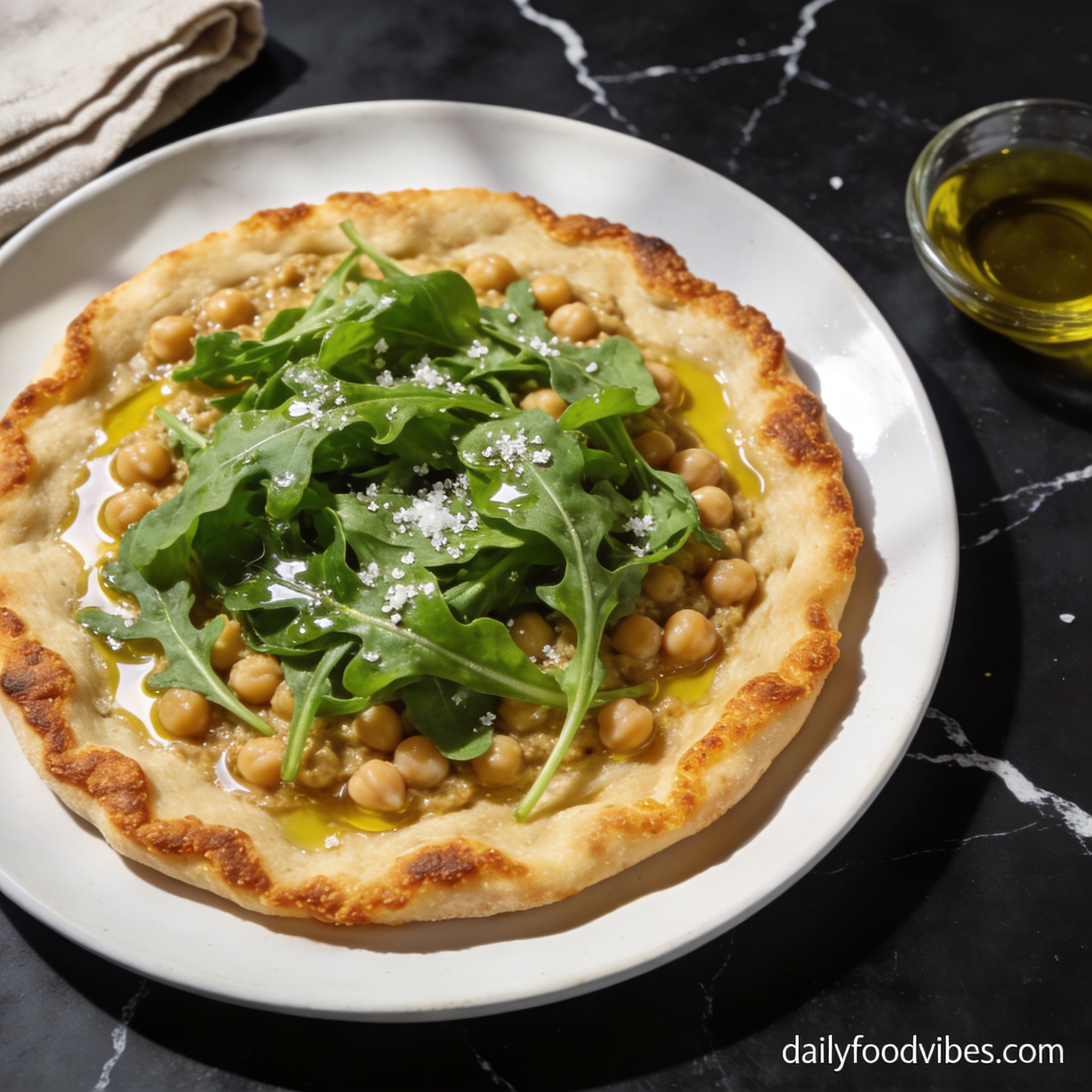
The High Protein Chickpea Flatbread You’ll Make Every Single Week
What Is high protein chickpea and arugula flatbread with olive oil?
High protein chickpea flatbread is the one meal I turn to when I want something that feels substantial but doesn’t weigh me down. This isn’t your average wrap or sandwich bread—it’s a naturally gluten-free base made from chickpea flour, topped with peppery arugula and good olive oil. I discovered this high protein chickpea flatbread last year when I was tired of dry chicken breasts and wanted real flavor without the fuss.
The first time I made this, I was skeptical. Chickpea flour sounded like something that would crumble or taste beany. Instead, I got a crispy-edged, tender-centered flatbread that held up to toppings better than any pita I’d ever bought. One cup of chickpea flour provides approximately 21 grams of protein and 10 grams of fiber, making chickpea-based flatbread significantly higher in protein than wheat-based alternatives. That stat alone convinced me to keep a bag of besan in my pantry at all times and make this high protein chickpea flatbread a weekly staple.
My kids actually request this high protein chickpea flatbread now, which shocked me because arugula isn’t exactly a vegetable you expect children to love. But when it’s wilted slightly on a warm, olive oil-brushed flatbread with a pinch of flaky salt, something magic happens. The bitterness of the arugula cuts through the richness of the olive oil, while the chickpea base provides that satisfying chew you usually only get from good bread. If you enjoy protein-packed plant-based meals like our The High Protein Chickpea Quinoa Bowl You’ll Make Every Single Week, you’ll want to bookmark this high protein chickpea flatbread recipe immediately.
I started making this flatbread during a month when I was trying to reduce my gluten intake without buying expensive replacement products. The simplicity appealed to me—just flour, water, oil, and salt. No rising time, no kneading, no waiting for yeast to wake up. Twenty-five minutes from start to finish, and I have something that feels artisanal but requires zero baking skill. This high protein chickpea flatbread has become my secret weapon for lunch meetings at home, quick dinners before evening activities, and those afternoons when I need a substantial snack that won’t spike my blood sugar.
Why Does This high protein chickpea flatbread Recipe Actually Work?
This high protein chickpea flatbread works because it leverages the natural binding properties of chickpea flour without any weird additives. The batter comes together in five minutes, and the high-heat cooking method creates those coveted crispy edges while keeping the center tender.
- The protein content is real: Unlike wheat flatbreads that need cheese or meat to boost protein, this high protein chickpea flatbread base delivers 14 grams per serving on its own, thanks to the chickpea flour.
- No gluten, no problem: Chickpea flour (besan) creates a naturally crisp texture when cooked with high heat, and pairing it with nutrient-dense arugula adds vitamins A, C, and K while the olive oil provides heart-healthy monounsaturated fats.
- Speed matters: From mixing bowl to table in 25 minutes means you can make this high protein chickpea flatbread on a Tuesday night when takeout is tempting.
- The toppings stick: Unlike cauliflower crusts that shed toppings like a shedding dog, this flatbread has a slightly porous surface that grips olive oil and arugula without getting soggy.
- Budget-friendly nutrition: Chickpea flour costs roughly the same as all-purpose flour but delivers three times the protein, making this high protein chickpea flatbread an economical choice for high-protein eating.
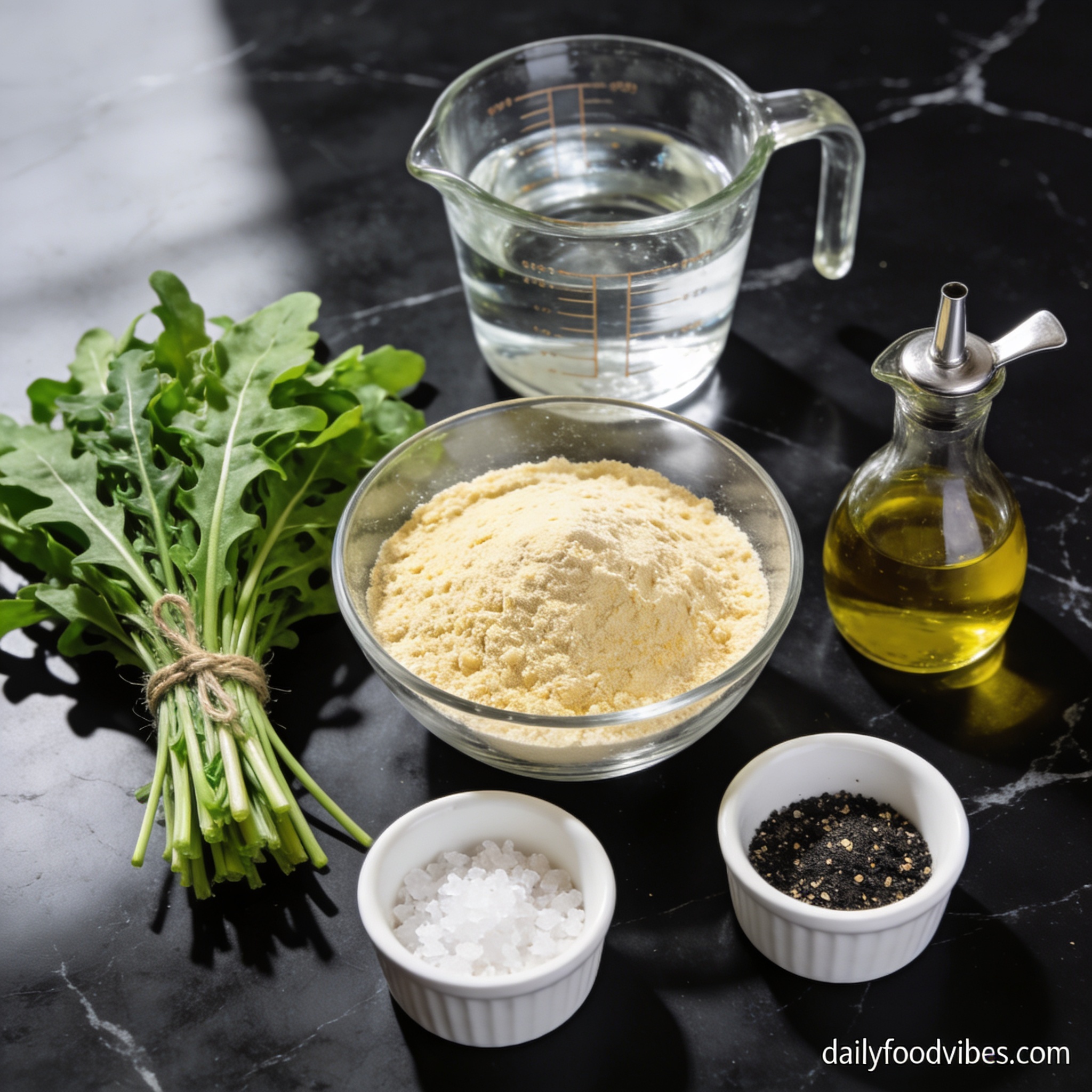
What You’ll Need
- Chickpea flour (besan): 1 cup
- Warm water: 1 cup
- Olive oil: 3 tablespoons, divided
- Garlic powder: ½ teaspoon
- Sea salt: ½ teaspoon, plus extra for finishing
- Fresh arugula: 2 cups, loosely packed
- Black pepper: freshly ground, to taste
- Optional: red pepper flakes for heat
The chickpea flour is non-negotiable for this high protein chickpea flatbread—don’t try substituting almond flour or coconut flour here, as they won’t create the same protein-rich structure. Look for besan or garbanzo bean flour in the international aisle or bulk bins; it’s often cheaper than the specialty gluten-free blends. I use warm water because it helps the batter hydrate faster and eliminates lumps without aggressive whisking. If your water is too hot, though, it can start cooking the flour prematurely, so aim for bathwater temperature, not boiling.
The olive oil serves two purposes in this high protein chickpea flatbread: two tablespoons go into the batter for richness and to help create that golden crust, and one tablespoon gets drizzled over the arugula before serving. I recommend using a decent extra virgin olive oil for the finishing drizzle since you’ll taste it raw, but regular olive oil works fine for the batter itself. The garlic powder distributes more evenly than fresh minced garlic, which can burn in the hot pan, but if you only have fresh, add it to the batter and watch carefully while cooking.
How to Make high protein chickpea and arugula flatbread with olive oil
Step 1: Whisk the Batter
In a large mixing bowl, combine the chickpea flour, warm water, two tablespoons of olive oil, garlic powder, and salt. Whisk vigorously for about 60 seconds until you have a smooth, pourable batter that resembles heavy cream. You want to break up every lump now, as they won’t dissolve later when you’re cooking this high protein chickpea flatbread. Let this sit for 10 minutes while you heat your pan—this resting period allows the chickpea flour to fully hydrate, which prevents that raw flour taste and helps the high protein chickpea flatbread cook evenly throughout rather than being gummy in the center.
Don’t skip this resting step; I’ve tried rushing it when I was starving, and the texture suffered considerably. The batter thickens slightly as it sits, which helps it spread into an even layer in the pan. If you notice the batter separating after resting, give it one quick whisk before pouring. This high protein chickpea flatbread method makes all the difference.
Step 2: Cook the Flatbread
Heat a 10-inch cast iron skillet or non-stick pan over medium-high heat for two minutes until it’s thoroughly hot. You want the pan hot enough that a drop of water sizzles immediately upon contact. Add a teaspoon of olive oil to coat the bottom, then pour half the batter into the center of your high protein chickpea flatbread base. Immediately tilt the pan in a circular motion to spread it into a thin, even layer about ¼-inch thick. If you wait too long to spread it, the batter starts setting and you’ll get uneven thickness.
Cook for 3-4 minutes until the edges start to pull away from the pan naturally and the bottom is golden brown with crispy spots. You’ll know this high protein chickpea flatbread is ready to flip when the top looks set, matte rather than shiny, and no longer wet. The edges should look slightly crispy and browned.
Step 3: Flip and Crisp
Slide a thin spatula underneath the flatbread, working it gently around the edges first to loosen any stuck spots, then flip it confidently in one smooth motion. Cook for another 2-3 minutes on the second side until you see golden-brown patches forming and the high protein chickpea flatbread feels firm to the touch. The second side typically cooks faster than the first.
Transfer the cooked high protein chickpea flatbread to a wire rack—this is crucial because it stops the bottom from steaming against a plate and getting soggy while you cook the second one. If you stack hot flatbreads on top of each other, they’ll steam and lose that crisp texture you worked for. Repeat with remaining batter, adding a little more oil to the pan if needed between batches.
Step 4: Top and Serve
While the second flatbread cooks, toss the arugula with the remaining tablespoon of olive oil, a squeeze of lemon if you have it, and a pinch of salt. Use your hands to massage the oil into the leaves slightly—this helps them wilt just enough when they hit the warm bread. As soon as the flatbreads come off the heat, divide the dressed arugula between them while they’re still warm.
The residual warmth from the high protein chickpea flatbread will slightly wilt the greens, creating that perfect contrast between crisp base and tender toppings. Finish with a grind of black pepper and flaky sea salt. If you like heat, scatter some red pepper flakes over the top. Serve this high protein chickpea flatbread immediately while the edges are still crisp.
What Makes This high protein chickpea flatbread Different?
Most gluten-free flatbreads rely on xanthan gum or expensive blends to mimic wheat. This high protein chickpea flatbread uses just one flour and technique to achieve structure.
- The socca technique: This method borrows from the French and Italian tradition of cooking chickpea flour batter in hot oil, creating a crust that shatters slightly when you bite while remaining tender inside.
- Temperature control: Cooking over medium-high heat rather than low heat ensures the exterior crisps before the interior dries out. Low heat makes this high protein chickpea flatbread rubbery; high heat makes it crisp. If your flatbread is burning before cooking through, your pan is too hot.
- The arugula timing: Adding the greens while the high protein chickpea flatbread is warm but not piping hot prevents total wilting while still softening the peppery bite of the raw greens.
- Olive oil quality matters: Because there are so few ingredients, using a decent extra virgin olive oil for finishing makes a noticeable difference in flavor. This isn’t the place for that old bottle in the back of your cabinet.
- Protein density: Most vegetable-based flatbreads are just vehicles for toppings. This high protein chickpea flatbread actually contributes significant nutrition to your meal.
How to Store and Reheat
Store cooled flatbreads in an airtight container between sheets of parchment paper for up to three days in the refrigerator. The parchment prevents them from sticking together. Do not store this high protein chickpea flatbread with the arugula topping—always add fresh greens after reheating to prevent sogginess and browning.
To reheat your high protein chickpea flatbread, place it directly on a dry skillet over medium heat for 90 seconds per side, or pop it in a 375°F oven for 5 minutes. You want to drive out any moisture that accumulated during storage. Avoid the microwave, as it turns the chickpea base rubbery and sad within 30 seconds. If you’ve made a double batch, you can freeze the plain high protein chickpea flatbread for up to one month; wrap them individually in plastic wrap then foil, and thaw overnight in the fridge before reheating.
Can You Make high protein chickpea and arugula flatbread with olive oil Ahead of Time?
Yes, you can prepare elements of this high protein chickpea flatbread ahead, but with caveats. The batter actually improves after sitting for up to two hours at room temperature, as the flour fully hydrates and the batter thickens slightly. However, cook the flatbreads fresh when you’re ready to eat—they take only 8 minutes per piece and don’t hold well once topped with wet ingredients like dressed arugula.
For meal prep, I cook four portions of this high protein chickpea flatbread on Sunday, store them plain in the fridge, then reheat and top them with fresh arugula and olive oil throughout the week. This gives me a high protein vegan lunch option that’s faster than assembling a sandwich and far more nutritious than grabbing chips. If you’re pairing this with our Gluten Free Tomato Soup, make the soup ahead and cook the high protein chickpea flatbread fresh for the best texture contrast.
You can also prep the arugula by washing and drying it thoroughly, storing it in a container lined with paper towels for up to three days. Then you just toss it with olive oil when you’re ready to eat. This high protein chickpea flatbread method makes all the difference.
Variations Worth Trying
- Mediterranean Style: Add chopped sun-dried tomatoes and kalamata olives to the batter before cooking this high protein chickpea flatbread, then top with tahini drizzle instead of plain olive oil for a Middle Eastern twist.
- Spicy Cumin: Whisk ½ teaspoon ground cumin and ¼ teaspoon cayenne into the batter for a warming flavor that pairs beautifully with the peppery arugula and makes the kitchen smell incredible.
- Herb-Loaded: Fold ¼ cup chopped fresh rosemary or thyme into the batter—the herbs toast against the hot pan and perfume the entire high protein chickpea flatbread with earthy fragrance.
- Smoky Mushroom: Top the finished high protein chickpea flatbread with sautéed mushrooms and a dash of smoked paprika instead of arugula for an earthy alternative that feels more like a pizza.
What to Serve With high protein chickpea and arugula flatbread with olive oil?
This flatbread stands alone as a light lunch, but it plays well with others. I love serving this high protein chickpea flatbread alongside a cup of The Gluten Free Tomato Soup You’ll Make Every Single Week for a complete meal that feels like comfort food but delivers serious nutrition. The acidity of the tomatoes cuts through the richness of the olive oil perfectly.
This high protein chickpea flatbread also works beautifully as a side to grilled fish or chicken, soaking up pan juices like a sophisticated alternative to crusty bread. For brunch, cut the flatbread into wedges and serve with soft-boiled eggs and hot sauce. If you’re hosting a casual dinner, slice it into small squares and serve as an appetizer with white bean dip or hummus—though that does create a chickpea-on-chickpea situation that some might find excessive, I find it delicious.
For wine pairing with this high protein chickpea flatbread, try a crisp Sauvignon Blanc or dry Rosé that can handle the peppery arugula without competing.
Frequently Asked Questions About high protein chickpea and arugula flatbread with olive oil
How much protein does chickpea flatbread provide compared to regular flatbread?
A standard wheat-based flatbread or pita typically offers 4-6 grams of protein per serving. This high protein chickpea flatbread delivers 14 grams per serving because chickpea flour contains roughly 21 grams of protein per cup compared to wheat flour’s 12-13 grams. The difference is significant enough that this high protein chickpea flatbread qualifies as a high-protein meal component on its own without needing meat or cheese additions.
Can I make chickpea flatbread ahead of time and store it?
Yes, you can cook the flatbreads up to three days ahead and store them in the refrigerator, or freeze them for up to one month wrapped tightly. However, only add the arugula and olive oil topping immediately before serving. Reheat the base in a dry skillet or oven to restore crispness, as the microwave will ruin the texture of this high protein chickpea flatbread.
Is chickpea flour flatbread gluten-free?
Yes, this is a naturally gluten-free recipe. Chickpea flour contains no wheat, barley, or rye, making this high protein chickpea flatbread safe for those with gluten sensitivities. However, if you have celiac disease, ensure your chickpea flour is certified gluten-free and processed in a facility that doesn’t handle wheat products to avoid cross-contamination.
What toppings pair best with chickpea and arugula flatbread?
Beyond the classic arugula and olive oil combination, this high protein chickpea flatbread works well with roasted red peppers, goat cheese or vegan feta, caramelized onions, or a white bean spread. The neutral, slightly nutty flavor of the chickpea base complements both bright, acidic toppings and rich, creamy ones. Avoid very wet toppings like fresh tomatoes until just before serving.
How do I prevent chickpea flatbread from becoming soggy?
Cook the high protein chickpea flatbread until the edges are genuinely crispy and golden—undercooking leads to a soft center that weeps moisture. Always cool cooked flatbreads on a wire rack rather than a plate. Add oily toppings like dressed arugula just before eating, not during storage. If making ahead, store the components separately and assemble fresh.
This high protein chickpea flatbread has become my answer to the eternal question of what to make when I’m hungry now but want to feel good later. It takes less time than ordering delivery and costs a fraction of those store-bought gluten-free wraps that taste like cardboard. Try this high protein chickpea flatbread this week with a drizzle of your best olive oil and see why it’s earned a permanent spot in my recipe rotation.
High Protein Chickpea and Arugula Flatbread with Olive Oil
A naturally gluten-free, high-protein flatbread made with chickpea flour and topped with peppery arugula and olive oil. Ready in 25 minutes with 14g protein per serving.
Ingredients
- 1 cup chickpea flour (besan)
- 1 cup warm water
- 3 tablespoons olive oil, divided
- 1/2 teaspoon garlic powder
- 1/2 teaspoon sea salt, plus extra for finishing
- 2 cups fresh arugula, loosely packed
- Freshly ground black pepper, to taste
- Optional: red pepper flakes for heat
Instructions
- 1. In a large mixing bowl, whisk together chickpea flour, warm water, 2 tablespoons olive oil, garlic powder, and salt until smooth. Let batter rest for 10 minutes.
- 2. Heat a 10-inch cast iron or non-stick skillet over medium-high heat for 2 minutes. Add 1 teaspoon oil to coat.
- 3. Pour half the batter into the center of the hot pan. Immediately tilt pan in circular motion to spread into a thin 1/4-inch layer.
- 4. Cook for 3-4 minutes until edges pull away from pan and bottom is golden brown with crispy spots.
- 5. Flip carefully and cook 2-3 minutes on second side until golden and firm. Transfer to wire rack.
- 6. Repeat with remaining batter.
- 7. Toss arugula with remaining 1 tablespoon olive oil, salt, and pepper. Divide between warm flatbreads.
- 8. Finish with flaky sea salt and serve immediately.
Notes
- Batter can be made up to 2 hours ahead and stored at room temperature.
- Store cooked flatbreads (without toppings) in refrigerator for up to 3 days or freeze for up to 1 month.
- Reheat in dry skillet over medium heat or 375°F oven. Do not microwave.
- Ensure pan is hot enough before adding batter to achieve crispy texture.