The Gluten Free Vegetable Stir Fry You’ll Make Every Single Week
What Is gluten free vegetable stir fry with bell peppers?
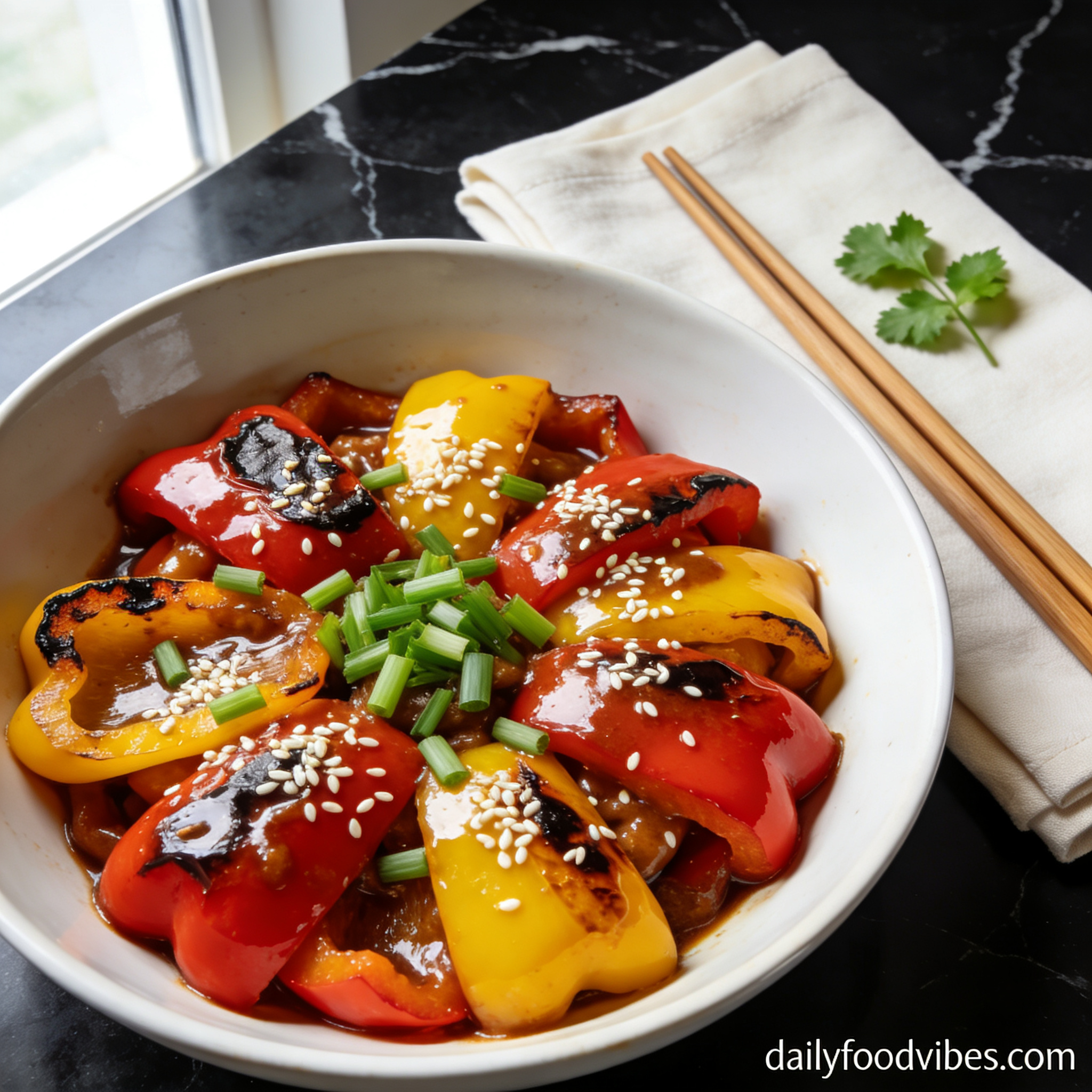
Gluten free vegetable stir fry with bell peppers is the one dish I make when I need dinner on the table in fifteen minutes without sacrificing texture or flavor. This technique transforms ordinary vegetables into a restaurant-quality meal using nothing more than a hot pan and a simple sauce that happens to be completely wheat-free.
I discovered this method three years ago after a friend with celiac disease came to dinner and I panicked about soy sauce hiding in every bottle I owned. I grabbed coconut aminos from the pantry, sliced up every bell pepper in my crisper drawer, and prayed my carbon steel wok would forgive my improvisation. That night changed everything. The vegetables came out crisp-tender with actual char marks, and the sauce coated each piece without turning gloppy or overly salty. Now I make this gluten free vegetable stir fry twice a week, rotating the vegetable combinations based on what looks fresh at the market. My kids actually request the red and yellow pepper version over pizza night, which still shocks me. When you pair this with The Gluten Free Tomato Soup for a light lunch, you have a completely wheat-free meal that feels substantial without weighing you down.
Why Does This Gluten Free Vegetable Stir Fry Recipe Actually Work?
This gluten free vegetable stir fry works because it respects the physics of high-heat cooking and the chemistry of gluten free sauces. Many home stir fries fail because the pan never gets hot enough, causing vegetables to steam in their own juices rather than caramelize. This approach fixes that.
- The 400°F factor changes everything. The key to perfect gluten free stir fry is using high heat (400°F+) and a carbon steel or cast iron wok to achieve the characteristic “wok hei” flavor and crisp-tender texture in under 5 minutes of cooking time. This intense heat creates the Maillard reaction on the vegetables’ surfaces while keeping the interiors crunchy.
- Nutrient density you can measure. One cup of mixed vegetable stir fry with bell peppers provides approximately 6g of fiber, 4g of protein, and only 120-150 calories while delivering over 200% of the daily recommended vitamin C intake. That vitamin C comes primarily from the bell peppers, which retain more of their nutritional content when cooked quickly over high heat rather than boiled or steamed.
- Coconut aminos behave better than soy sauce. Unlike wheat-based soy sauce that can burn and turn bitter over high heat, coconut aminos have a lower sugar content and reduced sodium, allowing them to reduce into a glossy glaze without overwhelming the fresh vegetable flavors.
- Prep sequencing prevents disaster. Stir frying moves too fast for chopping as you go. Having every vegetable sliced and the sauce mixed before the pan touches the heat means you can focus entirely on timing and temperature, which separates good stir fry from great stir fry.
What You’ll Need
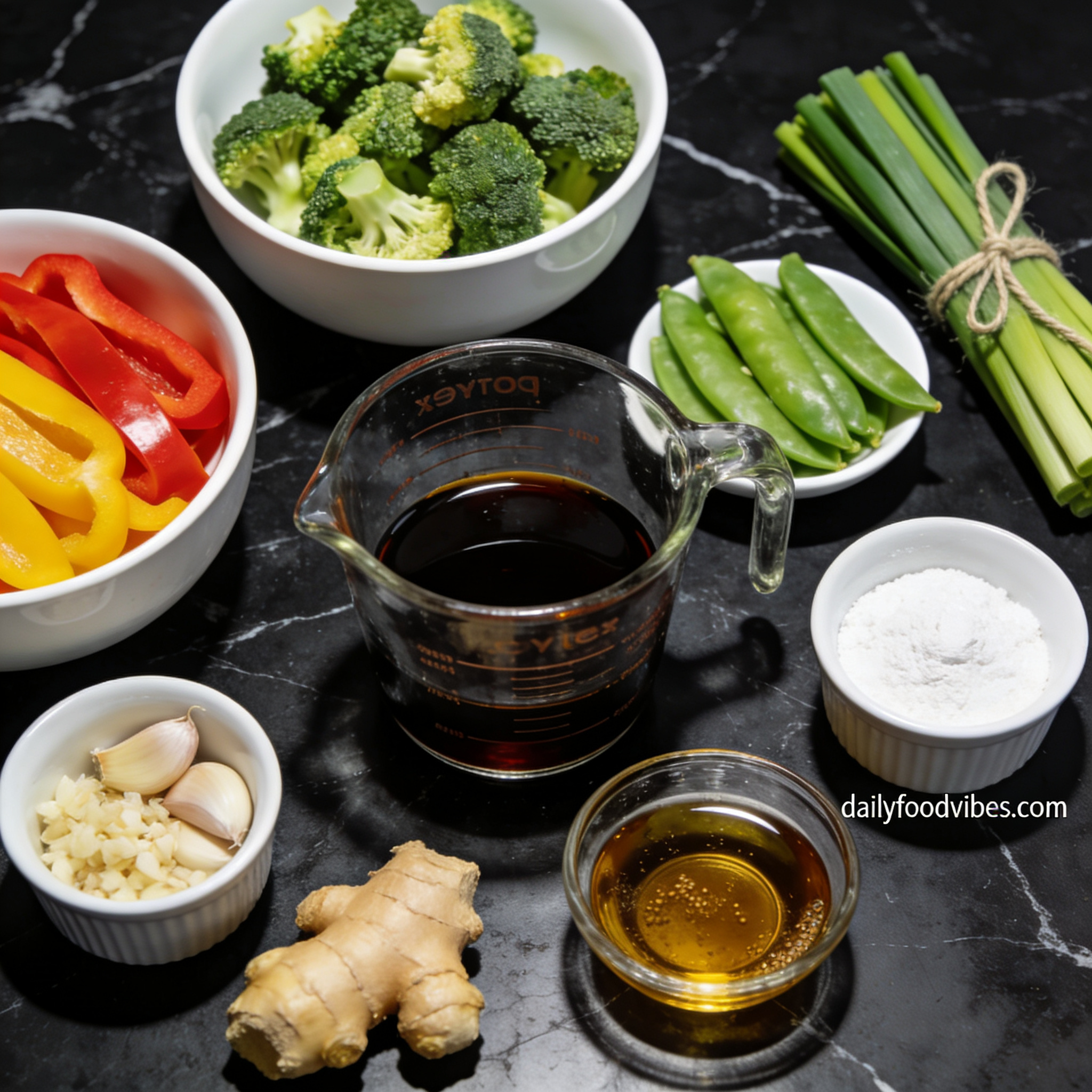
- 2 tablespoons avocado oil or peanut oil (high smoke point is essential)
- 1 large red bell pepper, sliced into 1-inch strips
- 1 large yellow bell pepper, sliced into 1-inch strips
- 1 large orange bell pepper, sliced into 1-inch strips
- 2 cups broccoli florets, cut small (about 1-inch pieces)
- 1 cup sugar snap peas, strings removed
- 3 cloves garlic, minced
- 1 tablespoon fresh ginger, grated
- 3 tablespoons coconut aminos (or tamari if not avoiding soy)
- 1 tablespoon rice vinegar
- 1 teaspoon toasted sesame oil
- 1/2 teaspoon red pepper flakes (optional)
- 2 green onions, sliced thinly for garnish
- 1 tablespoon sesame seeds for topping
The bell peppers matter more than you might think. I use three different colors not just for visual appeal, but because each color represents a different stage of ripeness and therefore a slightly different sugar content. The red peppers bring sweetness that balances the savory sauce, while the yellow and orange varieties offer a more subtle fruitiness that works with the garlic and ginger base. This gluten free vegetable stir fry method makes all the difference.
How to Make gluten free vegetable stir fry with bell peppers
Step 1: Prepare All Components Before Heating
Slice every vegetable and arrange them in groups based on cooking time. Broccoli and thicker pepper strips go in one bowl; snap peas and thinner pepper slices go in another. Mix the coconut aminos, rice vinegar, sesame oil, and red pepper flakes in a small bowl until combined. This gluten free vegetable stir fry moves fast once the pan gets hot, and you cannot pause to chop garlic while the broccoli burns.
Step 2: Heat the Wok Until Smoking
Place your carbon steel or cast iron wok over the highest heat your stove produces. Let it heat empty for 3-4 minutes until a flick of water evaporates in under one second. Add the avocado oil and swirl to coat the entire surface. The oil should shimmer immediately and possibly smoke slightly; this is exactly what you want for achieving the characteristic sear on your vegetables.
Step 3: Cook Hard Vegetables First
Add the broccoli and the thicker bell pepper strips to the screaming hot pan. Stir constantly using a metal spatula or wok shovel for 90 seconds. You should hear aggressive sizzling and see char marks forming on the pepper edges. This high-heat contact creates the complex flavor compounds that make restaurant stir fry taste different from home cooking. After 90 seconds, add the remaining bell peppers and snap peas, then continue stirring for another 2 minutes until the snap peas turn bright green and the peppers soften slightly at the edges but still resist when you bite into them.
Step 4: Add Aromatics and Sauce
Push all the vegetables to the sides of the wok, creating a well in the center. Add the minced garlic and ginger to the exposed metal and stir for 15 seconds until fragrant. Pour the prepared sauce over everything and toss continuously for 30-60 seconds until the liquid reduces into a sticky glaze that clings to the vegetables rather than pooling at the bottom. Remove from heat immediately to prevent overcooking.
What Makes This Gluten Free Vegetable Stir Fry Different?
Most home cooks fail at stir fry because they treat it like sautéing, but this gluten free vegetable stir fry requires a different mindset entirely. The technique focuses on dry heat contact rather than steaming vegetables in their own moisture.
- The vitamin C retention is real. Because this cooks in under 5 minutes total, the bell peppers lose minimal vitamin C compared to roasting or boiling. One cup of mixed vegetable stir fry with bell peppers provides approximately 6g of fiber, 4g of protein, and only 120-150 calories while delivering over 200% of the daily recommended vitamin C intake. That nutritional density matters when you are building a meal that satisfies without excess calories.
- Crowding is the enemy. You must cook this in a vessel large enough that the vegetables sit in a single layer with space between pieces. If your pan is too small, cook in batches. Overcrowding drops the temperature below the threshold needed for caramelization, and you end up with boiled vegetables in oily liquid instead of stir fry.
- The sauce ratio prevents sogginess. Traditional soy sauce-heavy recipes add too much liquid that must cook off, extending the time in the pan and softening vegetables. The coconut aminos and rice vinegar combination provides maximum flavor with minimum liquid, allowing the glaze to form in under one minute.
- Room temperature vegetables sear better. Taking your prepped vegetables out of the refrigerator 10 minutes before cooking means they spend less time cooling down the pan when they hit the metal. Cold vegetables release water when shocked by heat, which creates steam and prevents browning.
How to Store and Reheat
Transfer leftover gluten free vegetable stir fry to an airtight glass container within two hours of cooking. The vegetables keep in the refrigerator for up to four days, though the texture peaks within the first 48 hours. I prefer glass over plastic because the garlic and ginger flavors can permeate plastic containers and linger in your next meal.
For reheating, avoid the microwave if possible. Microwaving continues the cooking process and turns crisp peppers into limp strips. Instead, heat a skillet over medium-high heat with a teaspoon of oil and toss the cold vegetables for 2-3 minutes until just warmed through. They will not recrisp completely, but this method preserves more texture than zapping them. If you must use a microwave, cover the dish with a damp paper towel and heat in 30-second intervals, stopping as soon as the food is warm to the touch. This gluten free vegetable stir fry method makes all the difference.
Can You Make Gluten Free Vegetable Stir Fry with Bell Peppers Ahead of Time?
You can prep this gluten free vegetable stir fry up to 24 hours in advance with strategic staging. Wash and slice all your bell peppers and broccoli, then store them in a sealed container lined with a paper towel to absorb excess moisture. Mix the sauce ingredients in a small jar and refrigerate separately. Do not mince the garlic and ginger until the day of cooking, as pre-minced aromatics lose their punch and can develop off-flavors.
I do not recommend fully cooking this dish ahead for meal prep because the texture degrades significantly after the first day. However, if you must prepare complete meals for the week, slightly undercook the vegetables by 30 seconds so they finish cooking during reheating. Pair your prepped stir fry with The High Protein Quinoa Bowl for a complete meal that reheats better than rice alone. This gluten free vegetable stir fry method makes all the difference.
Variations Worth Trying
- Add Crispy Tofu: Press firm tofu for 20 minutes then cube and pan-fry separately in avocado oil until golden before tossing in at the end for a vegan gluten free stir fry with 15g extra protein. The technique for getting the tofu crispy mirrors the high-heat approach we use for the vegetables.
- Spicy Szechuan Style: Add 1 tablespoon of chili garlic sauce and 1/2 teaspoon of Szechuan peppercorns to the oil before adding vegetables for a numbing heat that complements the sweetness of the bell peppers without overwhelming the delicate sauce.
- Zucchini Noodle Base: Swap half the bell peppers for spiralized zucchini added in the final 90 seconds of cooking to create a low carb vegetable stir fry that still satisfies while reducing the total carbohydrate content by 40%.
- Cashew Crunch: Toast 1/3 cup of raw cashews in the dry wok first for 2 minutes until fragrant, remove them, then sprinkle on top at the end for a texture contrast that makes every bite interesting while adding healthy fats that help you absorb the fat-soluble vitamins in the peppers.
What to Serve With Gluten Free Vegetable Stir Fry with Bell Peppers?
This gluten free vegetable stir fry pairs beautifully with cauliflower rice for a grain-free option that soaks up the sauce without adding carbohydrates. If you tolerate grains, jasmine rice cooked in coconut milk creates a fragrant base that complements the Asian-inspired flavors of the sauce.
For protein additions without complicating the gluten free aspect, consider serving alongside The Grilled Tofu Wrap Recipe using the same tofu method mentioned in the variations. The marinated tofu from that recipe works cold on top of hot stir fry for a room-temperature lunch option. This gluten free vegetable stir fry method makes all the difference.
Another favorite combination involves wrapping the hot vegetables in large butter lettuce leaves with a drizzle of sriracha mayo for a hand-held meal that feels like street food. The cold, crisp lettuce against the hot, savory vegetables creates a temperature contrast that makes the meal feel more special than a standard bowl of stir fry. This gluten free vegetable stir fry method makes all the difference.
Frequently Asked Questions About Gluten Free Vegetable Stir Fry with Bell Peppers
What sauces are naturally gluten free for vegetable stir fry?
Coconut aminos, tamari (wheat-free soy sauce), and fish sauce are all naturally gluten free options for vegetable stir fry. Oyster sauce often contains wheat, though gluten free versions exist. Rice vinegar, sesame oil, and chili garlic sauce are typically safe, but always check labels for hidden wheat ingredients or cross-contamination warnings. I prefer coconut aminos because they offer a slightly sweeter, less salty profile that works with vegetables without masking their flavor. This gluten free vegetable stir fry method makes all the difference.
Can I use coconut aminos instead of soy sauce for gluten free stir fry?
Yes, coconut aminos substitute directly for soy sauce in a 1:1 ratio in stir fry recipes. The flavor differs slightly—coconut aminos taste sweeter and less salty than traditional soy sauce, with subtle caramel notes. You may want to add a pinch of salt if you prefer a saltier profile, or increase the amount of rice vinegar to balance the sweetness. Because coconut aminos contain less sodium, they reduce into a glaze faster than soy sauce, so watch the pan closely during the final minute of cooking. This gluten free vegetable stir fry method makes all the difference.
How do I prevent vegetables from getting soggy in stir fry?
Prevent soggy vegetables by ensuring your wok or skillet reaches 400°F before adding oil, cooking in batches if necessary to avoid overcrowding, and drying vegetables thoroughly after washing. Excess water on the surface of peppers or broccoli creates steam that softens vegetables before they can brown. Cook hard vegetables like broccoli first, add quick-cooking vegetables like snap peas only in the final 2 minutes, and remove the pan from heat the moment the sauce thickens rather than letting it continue to cook down. This gluten free vegetable stir fry method makes all the difference.
What order should I add vegetables when making stir fry?
Add vegetables in order of density and water content. Start with broccoli, carrots, or thick bell pepper strips that require the most heat and time to tenderize. After 2-3 minutes, add medium-density vegetables like thinner pepper strips, zucchini, or mushrooms. Finally, add delicate vegetables like snap peas, spinach, or bean sprouts in the last 60-90 seconds of cooking. This sequencing ensures everything finishes at the same texture—tender but still offering resistance when bitten. This gluten free vegetable stir fry method makes all the difference.
Is rice vinegar gluten free and safe for stir fry?
Pure rice vinegar is naturally gluten free and safe for stir fry, but you must verify the label on flavored or seasoned rice vinegars. Some brands add barley malt or wheat-derived ingredients for flavoring. Look for labels that specify “rice vinegar” with only water and rice as ingredients, or those specifically marked gluten free. Unseasoned rice vinegar provides the bright acidity needed to balance the savory elements of stir fry without introducing any gluten risk. This gluten free vegetable stir fry method makes all the difference.
This gluten free vegetable stir fry has become my go-to method for emptying the crisper drawer while actually looking forward to eating vegetables. The technique works with nearly any combination of produce, and the fifteen-minute timeline means I can cook it on even the busiest evenings. Try this gluten free vegetable stir fry tonight and save the recipe for the next time you need a fast, colorful meal that happens to be completely wheat-free.
Gluten Free Vegetable Stir Fry with Bell Peppers
A quick 15-minute stir fry featuring colorful bell peppers and crisp-tender vegetables in a savory gluten free sauce using coconut aminos instead of soy sauce.
Ingredients
- 2 tablespoons avocado oil or peanut oil
- 1 large red bell pepper, sliced into 1-inch strips
- 1 large yellow bell pepper, sliced into 1-inch strips
- 1 large orange bell pepper, sliced into 1-inch strips
- 2 cups broccoli florets, cut into 1-inch pieces
- 1 cup sugar snap peas, strings removed
- 3 cloves garlic, minced
- 1 tablespoon fresh ginger, grated
- 3 tablespoons coconut aminos
- 1 tablespoon rice vinegar
- 1 teaspoon toasted sesame oil
- 1/2 teaspoon red pepper flakes (optional)
- 2 green onions, sliced thinly
- 1 tablespoon sesame seeds
Instructions
- 1. Slice all bell peppers and broccoli. Arrange in two groups: hard vegetables (broccoli, thick pepper strips) and quick-cooking vegetables (snap peas, thinner pepper slices). Mix coconut aminos, rice vinegar, sesame oil, and red pepper flakes in a small bowl.
- 2. Heat a carbon steel or cast iron wok over high heat for 3-4 minutes until smoking. Add avocado oil and swirl to coat.
- 3. Add hard vegetables to the hot pan. Stir constantly for 90 seconds until char marks form. Add remaining vegetables and cook for 2 more minutes until snap peas turn bright green.
- 4. Push vegetables to the sides. Add garlic and ginger to the center and stir for 15 seconds. Pour sauce over everything and toss for 30-60 seconds until glaze forms. Remove from heat immediately.
Notes
- Use only high smoke point oils like avocado or peanut oil.
- Do not overcrowd the pan; cook in batches if necessary.
- For best texture, serve immediately rather than letting it sit.