Extra-Soft Potato Bread
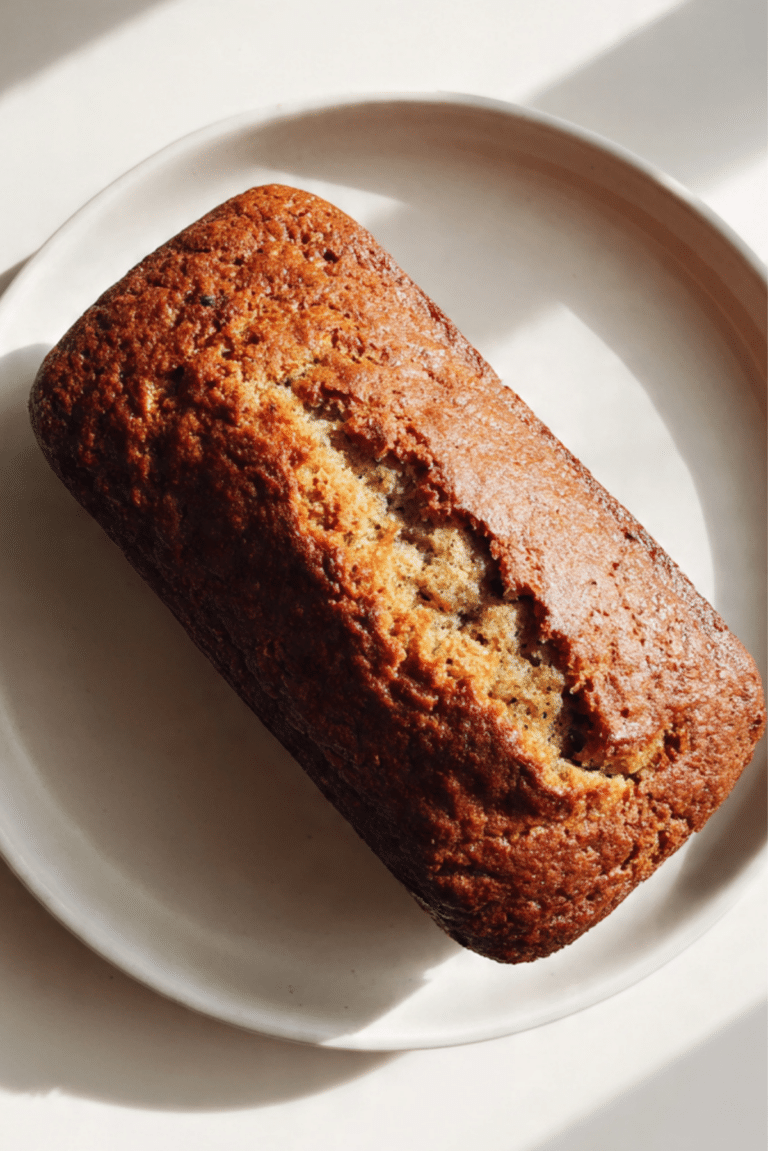
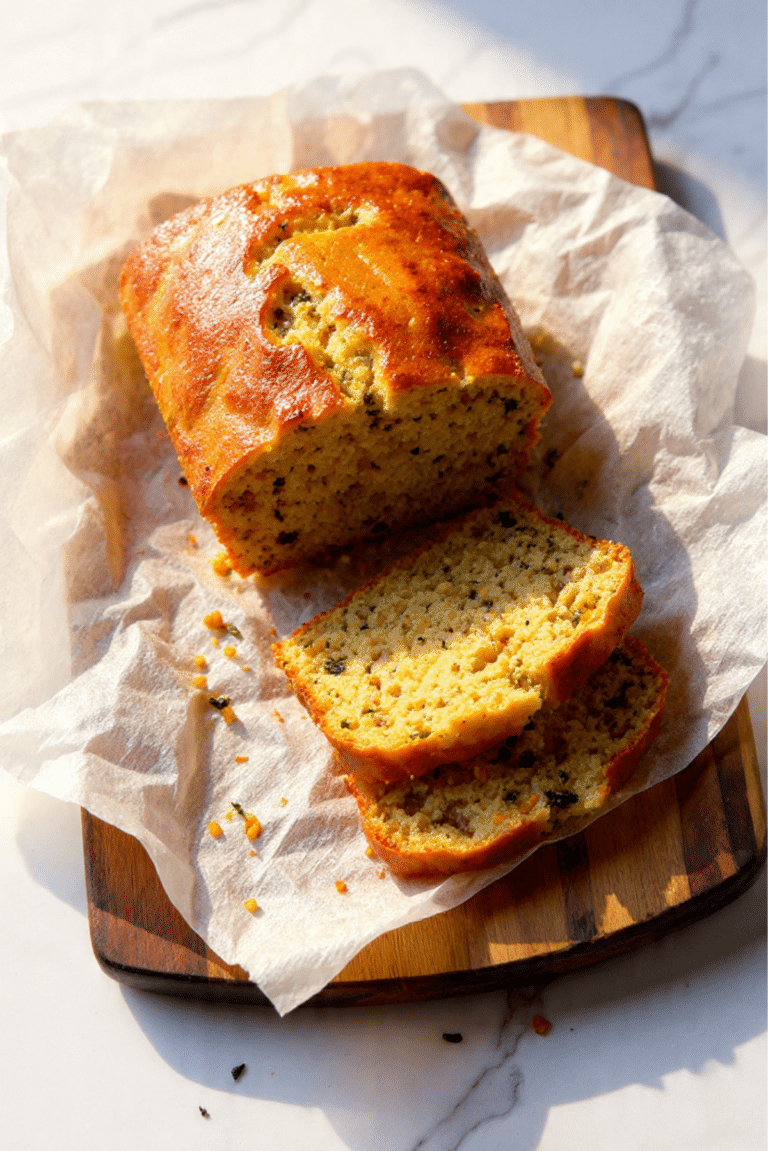
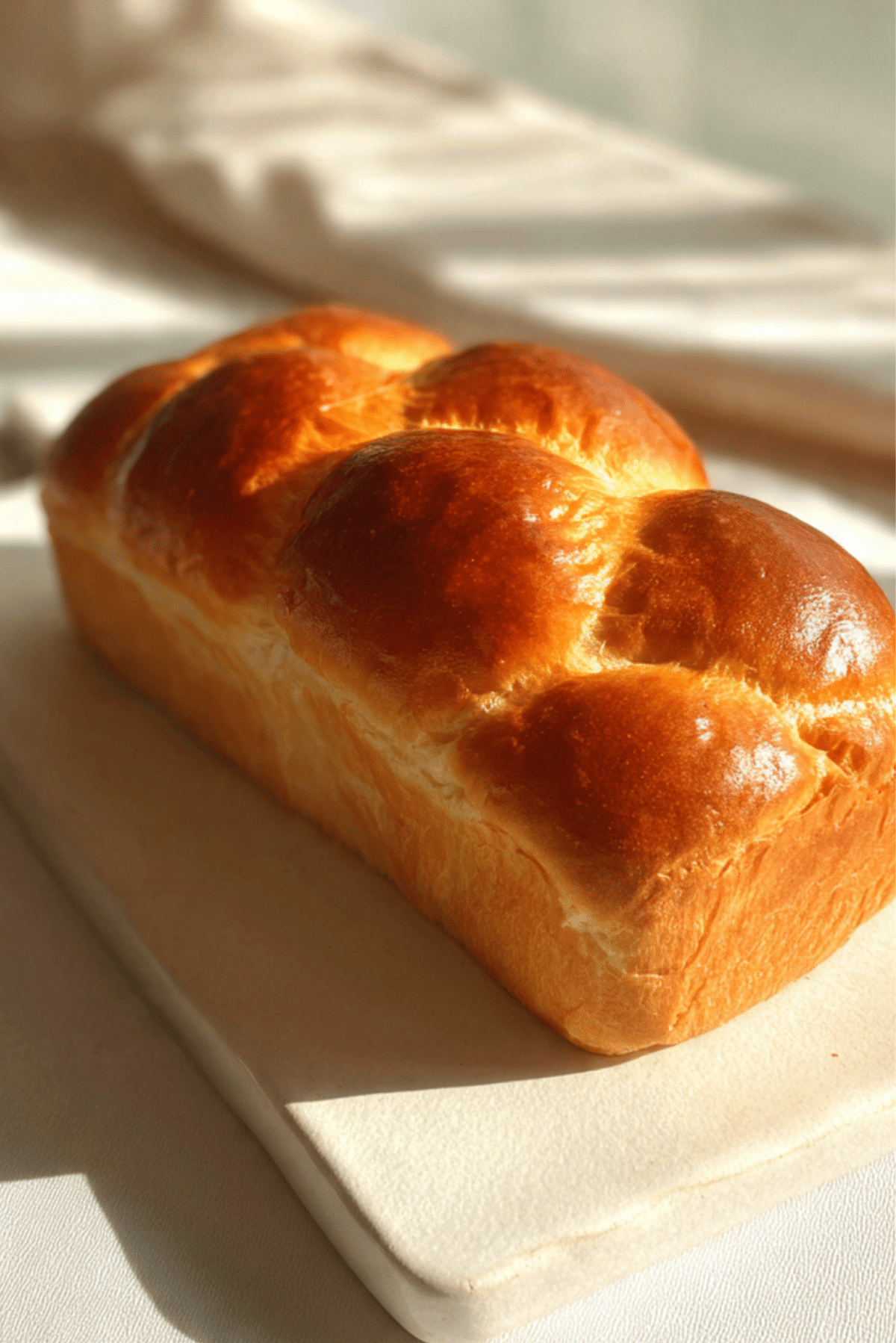
There’s something magical about the smell of fresh bread wafting through the kitchen, and this Extra-Soft Potato Bread is no exception. The crust is gently golden with a delicate chew, while the inside is like a fluffy cloud — light, moist, and melt-in-your-mouth tender. It’s the kind of bread that makes you want to tear off a piece while it’s still warm, slather on some butter, and just close your eyes to enjoy every bite. Trust me, it’s worth every second it takes to make.
Behind the Recipe
This recipe was born from a memory of my grandmother’s Sunday table. She always had a warm loaf waiting, and it was never just any bread — it had to be pillowy, soft, and comforting. One day, she whispered her secret: mashed potatoes. It sounded strange at first, but one taste and I was hooked. The potatoes added a softness that no other ingredient could match. This loaf brings that nostalgic texture and warmth back to life.
Recipe Origin or Trivia
Potato bread has deep roots in both European and American baking traditions. Irish bakers often used leftover potatoes to stretch flour during hard times, which resulted in unexpectedly soft and flavorful loaves. In the United States, potato bread gained popularity in the early 20th century as home bakers embraced hearty, budget-friendly recipes. Today, it remains a beloved comfort food, perfect for sandwiches, toast, or simply enjoyed warm from the oven.
Why You’ll Love Extra-Soft Potato Bread
This potato bread isn’t just delicious, it’s also incredibly practical and easy to love.
Versatile: Great for toast, sandwiches, or just with a dab of butter.
Budget-Friendly: Uses pantry basics and leftover mashed potatoes.
Quick and Easy: No-fuss steps with maximum results.
Customizable: Add herbs, seeds, or use sweet potatoes instead.
Crowd-Pleasing: Everyone goes back for seconds — guaranteed.
Make-Ahead Friendly: Stays soft for days and freezes like a dream.
Great for Leftovers: Toast it, grill it, or make French toast the next day.
Chef’s Pro Tips for Perfect Results
Want your loaf to turn out bakery-quality every time? Here are some insider tricks:
- Use warm mashed potatoes: They blend better and help activate the yeast.
- Don’t over-knead: Too much kneading can make the loaf dense instead of soft.
- Let it rise fully: Be patient. A fluffy loaf needs time to rise properly.
- Brush with butter after baking: It keeps the crust soft and adds shine.
- Use bread flour for extra chew: It gives better structure without losing tenderness.
Kitchen Tools You’ll Need
Before you start baking, gather these tools for a smooth experience.
Mixing Bowl: To combine your wet and dry ingredients.
Measuring Cups and Spoons: Precision matters in baking.
Dough Hook or Hands: Kneading is key to developing gluten.
Loaf Pan: For that classic shape and even bake.
Kitchen Towel or Plastic Wrap: Helps the dough rise without drying out.
Pastry Brush: For brushing butter on top after baking.
Ingredients in Extra-Soft Potato Bread
What makes this bread shine is the balance of humble ingredients working in harmony.
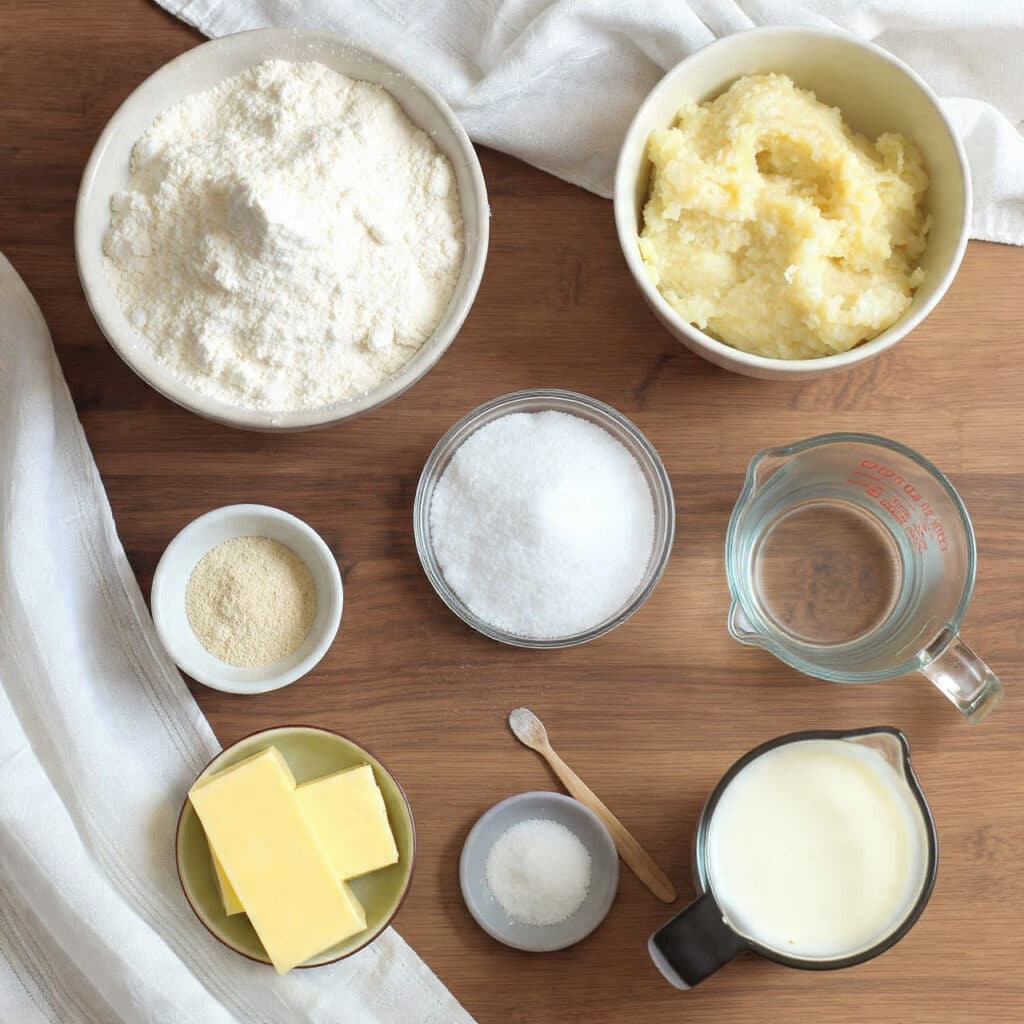
- All-Purpose Flour: 3 ½ cups – Provides structure and soft texture.
- Mashed Potatoes: 1 cup (plain, no butter or milk) – Adds moisture and softness.
- Warm Water: ¾ cup – Activates the yeast.
- Active Dry Yeast: 2 ¼ teaspoons – Helps the dough rise.
- Sugar: 2 tablespoons – Feeds the yeast and adds a hint of sweetness.
- Salt: 1 ½ teaspoons – Enhances flavor.
- Butter: 2 tablespoons (softened) – Adds richness and tenderness.
- Milk: ¼ cup (warm) – Balances moisture and flavor.
Ingredient Substitutions
Life happens. Here’s how to tweak things without losing magic.
All-Purpose Flour: Bread flour for a chewier loaf.
Mashed Potatoes: Mashed sweet potatoes or instant potato flakes.
Sugar: Honey or maple syrup for a natural sweetness.
Butter: Olive oil for a lighter taste.
Milk: Non-dairy milk like oat or almond.
Ingredient Spotlight
Mashed Potatoes: The secret weapon for tenderness and lasting softness. They help retain moisture and give the crumb its signature fluff.
Yeast: The lift-off hero. It’s what brings the dough to life, literally.
Instructions for Making Extra-Soft Potato Bread
This is where the magic happens. Let’s take it step by step and make the fluffiest loaf ever.
- Preheat Your Equipment:
Warm your oven to 375°F and grease your loaf pan lightly with butter or oil. - Combine Ingredients:
In a large bowl, mix warm water, yeast, and sugar. Let it sit until foamy (about 5–10 minutes). Stir in mashed potatoes, warm milk, softened butter, and salt. Gradually add flour until a soft dough forms. - Prepare Your Cooking Vessel:
Turn the dough onto a floured surface and knead for about 6 to 8 minutes until smooth. Place the dough in a greased bowl, cover it, and let it rise until doubled, about 1 to 1.5 hours. - Assemble the Dish:
Punch down the dough, shape it into a loaf, and place it in the greased pan. Cover and let it rise again for about 30 minutes. - Cook to Perfection:
Bake in the preheated oven for 30 to 35 minutes, or until the top is golden and the loaf sounds hollow when tapped. - Finishing Touches:
Remove from the oven and immediately brush the top with butter to keep the crust extra soft. - Serve and Enjoy:
Let it cool slightly, then slice and serve with butter, jam, or your favorite spread.
Texture & Flavor Secrets
The mashed potatoes give this bread an unmatched cloud-like softness that doesn’t dry out. The slight sweetness from the sugar plays beautifully against the buttery richness, and the golden crust offers just enough contrast without being too crunchy.
Cooking Tips & Tricks
Here are a few tricks to keep your loaf bakery-worthy every time:
- Let the dough rise in a warm, draft-free space.
- Use a kitchen scale if you have one for flour measurements.
- Add a bit of olive oil to your hands when shaping the dough to prevent sticking.
What to Avoid
Let’s steer clear of these common missteps:
- Skipping the first rise: Your bread won’t be as airy.
- Adding too much flour: Leads to a dry and dense loaf.
- Using cold mashed potatoes: They can prevent proper yeast activation.
Nutrition Facts
Servings: 10
Calories per serving: 180
Note: These are approximate values.
Preparation Time
Prep Time: 20 minutes
Cook Time: 35 minutes
Total Time: 2 hours 30 minutes
Make-Ahead and Storage Tips
Potato bread keeps beautifully. You can prepare the dough a day ahead and let it rise overnight in the fridge. Once baked, store the bread at room temperature for up to 4 days. To freeze, wrap slices or the whole loaf tightly and store for up to 2 months. Reheat in the oven for fresh-out-of-the-oven softness.
How to Serve Extra-Soft Potato Bread
This bread shines as toast with butter and jam, but don’t stop there. Use it for grilled cheese, as a base for open-faced sandwiches, or even for decadent French toast. It pairs wonderfully with hearty soups, stews, or a simple scrambled egg breakfast.
Creative Leftover Transformations
Got extra slices? Let’s make them new again.
- Turn it into croutons by cubing and baking with olive oil and herbs.
- Make a bread pudding with cinnamon and vanilla.
- Use it for mini sliders or pan-fried sandwiches.
Additional Tips
- Let the loaf cool before slicing for cleaner cuts.
- For extra softness, store the loaf in a zip-top bag.
- Sprinkle sesame or poppy seeds on top before baking for visual flair.
Make It a Showstopper
Presentation makes the difference. Brush the top with butter and sprinkle flaky sea salt right after baking. Slice it thick and serve it on a rustic wooden board with whipped butter on the side.
Variations to Try
- Sweet Potato Bread: Use mashed sweet potatoes for a hint of sweetness.
- Herb-Infused: Mix in rosemary or thyme to the dough.
- Garlic Potato Bread: Add minced roasted garlic for a savory twist.
- Seeded Crust: Press sesame or flax seeds on the top before baking.
- Whole Wheat Blend: Use half whole wheat flour for a nuttier flavor.
FAQ’s
Q1: Can I use instant mashed potatoes?
A1: Yes, but use plain ones with no added seasoning or butter.
Q2: Can I make this bread without a loaf pan?
A2: Absolutely. Shape it into a round and bake it on a baking sheet.
Q3: Why is my dough sticky?
A3: Potato-rich doughs tend to be sticky. Lightly flour your hands and surface, but avoid adding too much flour.
Q4: How do I know the bread is done baking?
A4: It should sound hollow when tapped and be golden brown on top.
Q5: Can I use fresh yeast instead of active dry?
A5: Yes. Use about twice the amount of fresh yeast compared to dry.
Q6: Can I add cheese to this bread?
A6: Yes! Fold in shredded cheddar or parmesan for cheesy potato bread.
Q7: Why is my bread dense?
A7: It may not have risen enough. Ensure your yeast is active and rising times are adequate.
Q8: Can I knead the dough by hand?
A8: Definitely. It might take a few extra minutes, but it works perfectly.
Q9: What’s the best way to store leftovers?
A9: Wrap tightly and store at room temperature or freeze for longer keeping.
Q10: Can I use whole wheat flour entirely?
A10: It’s best to mix it half and half with all-purpose to maintain softness.
Conclusion
There’s something deeply satisfying about pulling a fresh loaf of Extra-Soft Potato Bread out of the oven. The smell alone will make your kitchen feel like home. Whether you’re making it for a family dinner, a lazy weekend brunch, or just because you feel like baking, this bread is one you’ll come back to again and again. Trust me, it’s a total game-changer.
Print
Extra-Soft Potato Bread
- Total Time: 2 hours 30 minutes
- Yield: 1 loaf (about 10 slices) 1x
- Diet: Vegetarian
Description
This extra-soft potato bread is incredibly fluffy, tender, and comforting. With mashed potatoes in the dough, it stays moist and delicious for days, perfect for toast, sandwiches, or enjoying on its own.
Ingredients
- 3 ½ cups all-purpose flour
- 1 cup mashed potatoes (plain, no butter or milk)
- ¾ cup warm water
- 2 ¼ teaspoons active dry yeast
- 2 tablespoons sugar
- 1 ½ teaspoons salt
- 2 tablespoons butter (softened)
- ¼ cup warm milk
Instructions
- Preheat oven to 375°F and grease your loaf pan.
- In a large bowl, combine warm water, yeast, and sugar. Let sit for 5–10 minutes until foamy.
- Stir in mashed potatoes, warm milk, butter, and salt. Gradually mix in flour to form a soft dough.
- Turn dough onto floured surface and knead for 6–8 minutes until smooth.
- Place dough in greased bowl, cover, and let rise for 1–1.5 hours until doubled.
- Punch down dough, shape into a loaf, and place in greased pan. Let rise for another 30 minutes.
- Bake for 30–35 minutes until golden and loaf sounds hollow when tapped.
- Brush top with butter and let cool before slicing.
Notes
- Use warm mashed potatoes for better blending and yeast activation.
- Don’t add too much flour or your bread may turn out dense.
- Let the loaf cool completely before slicing for best results.
- Prep Time: 20 minutes
- Cook Time: 35 minutes
- Category: Bread
- Method: Baking
- Cuisine: American
Nutrition
- Serving Size: 1 slice
- Calories: 180
- Sugar: 2g
- Sodium: 230mg
- Fat: 4g
- Saturated Fat: 2g
- Unsaturated Fat: 2g
- Trans Fat: 0g
- Carbohydrates: 32g
- Fiber: 1g
- Protein: 4g
- Cholesterol: 10mg
Keywords: potato bread, homemade bread, soft bread recipe, mashed potato bread