Homemade French Bread
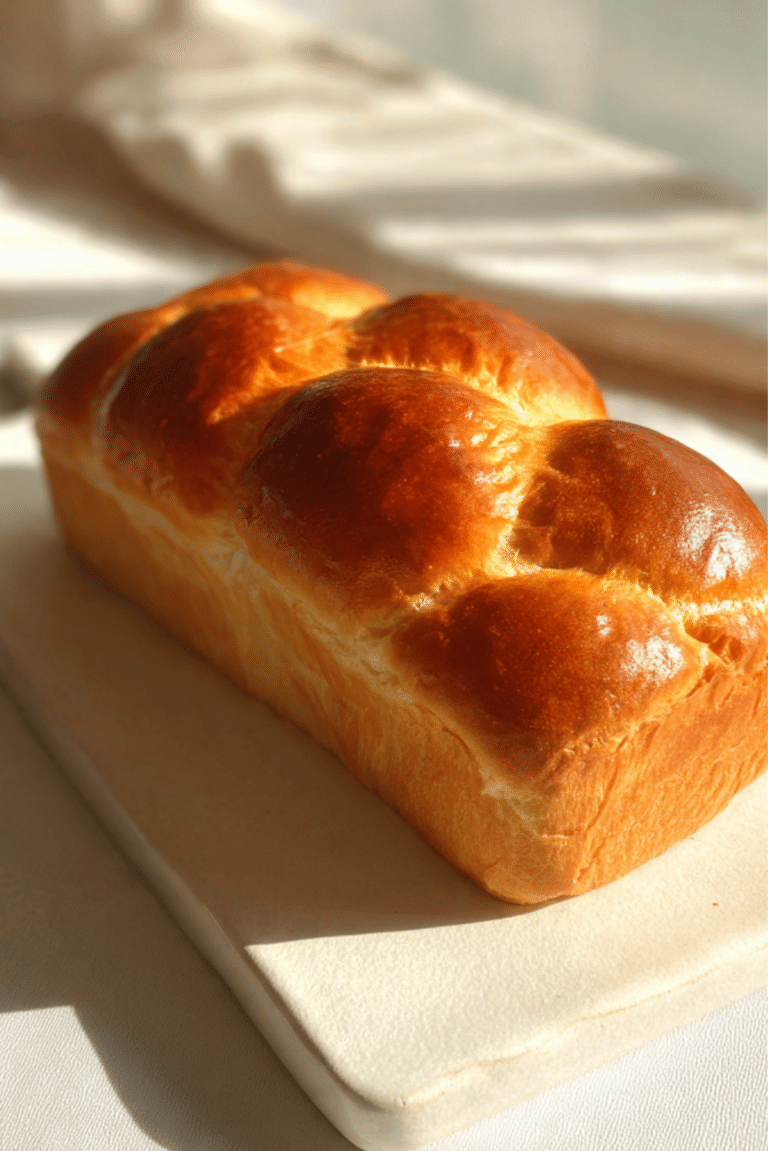
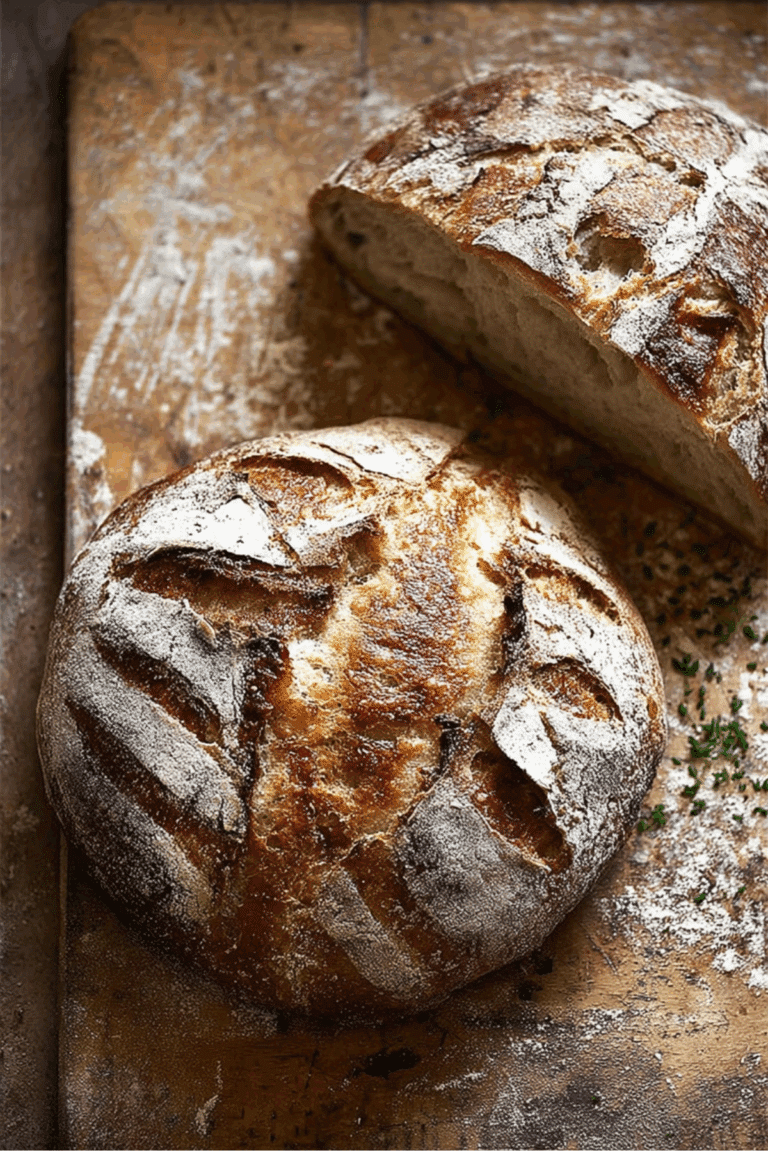
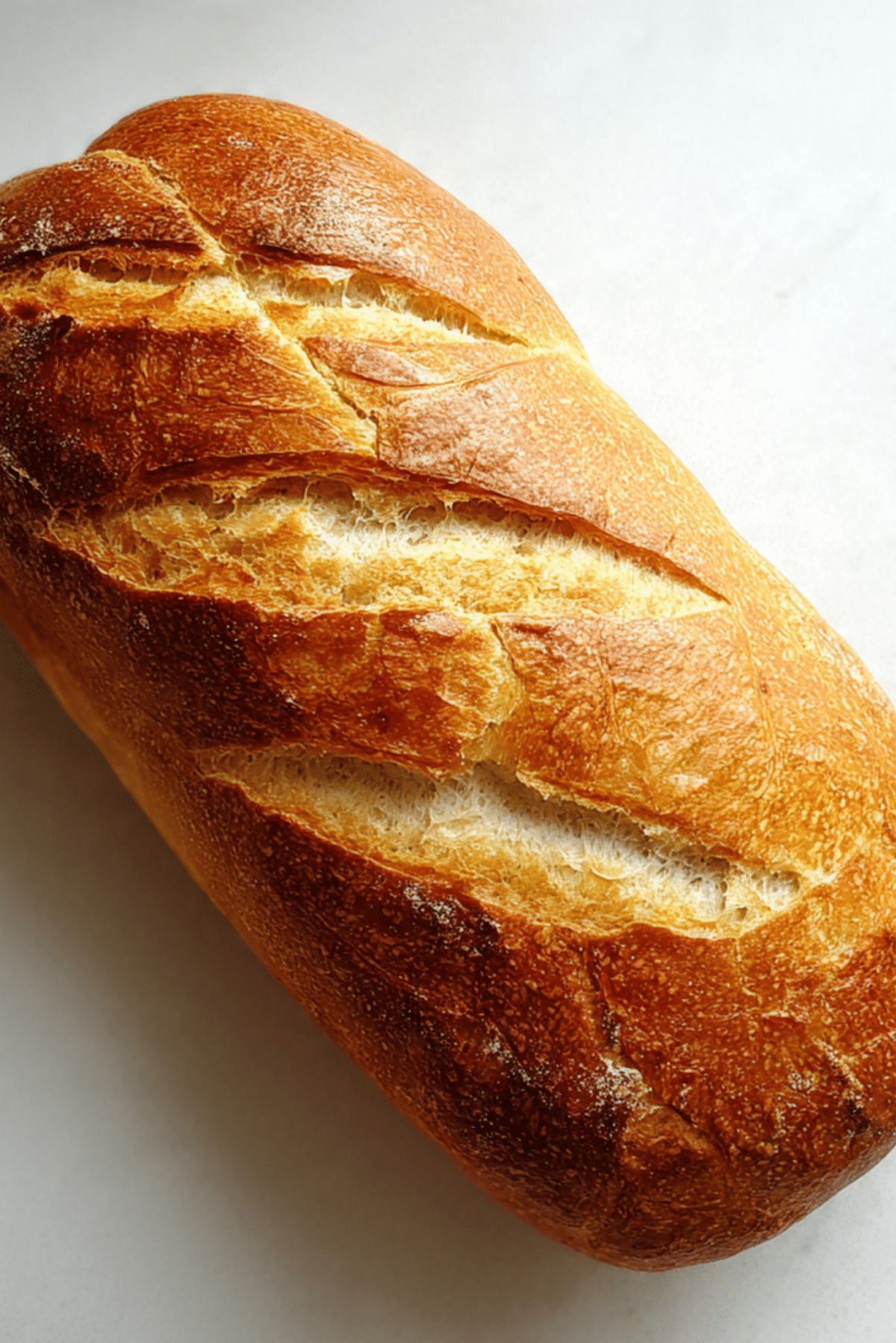
There’s something magical about the smell of freshly baked bread wafting through your kitchen. Homemade French Bread is one of those classic comforts that instantly warms your home and heart. With its crisp crust, soft and fluffy interior, and that golden color that just begs to be torn apart, this bread is the kind of thing you make once and crave forever. Whether you serve it with a slab of butter, a bowl of soup, or use it for sandwiches, it’s pure perfection in every bite.
Behind the Recipe
This recipe was born out of a chilly Sunday afternoon when the rain wouldn’t stop tapping against the windowpanes. I remember thinking, what could make this day better? And like a cozy whisper, the answer came to me—warm, homemade bread. That was the beginning of my love story with this French bread. Over time, I’ve perfected the method, tweaked the ratios, and discovered little secrets that make it turn out beautifully every single time. Now, it’s a staple in my kitchen, and I’m so excited to share it with you.
Recipe Origin or Trivia
French bread, also known as “pain français,” is deeply rooted in European baking traditions. Its signature long shape and crisp crust are achieved through steam baking, a technique perfected in French bakeries over centuries. While baguettes are the most iconic version, homemade French bread loaves are often a little shorter and wider, making them perfect for slicing and sharing. Interestingly, French law regulates what can be labeled as “traditional” French bread, including what ingredients can be used—flour, water, salt, and yeast only. That’s how seriously they take their bread!
Why You’ll Love Homemade French Bread
Let me tell you, once you try this recipe, you’ll understand why it’s become a go-to in so many homes.
Versatile: Perfect for sandwiches, toast, dipping in soups, or just on its own with a swipe of butter.
Budget-Friendly: Uses pantry staples, so you don’t need anything fancy to make something delicious.
Quick and Easy: Minimal kneading and just a couple of rises. You’ll be surprised how easy it is to pull off.
Customizable: Add herbs, seeds, or even cheese to the dough for a personalized twist.
Crowd-Pleasing: There’s nothing like setting a warm loaf on the table and watching everyone’s eyes light up.
Make-Ahead Friendly: Bake it earlier in the day or the day before. It holds up beautifully.
Great for Leftovers: Makes amazing French toast or croutons the next day.
Chef’s Pro Tips for Perfect Results
Want to make sure your French bread turns out bakery-worthy? Here’s how:
- Use Warm Water: Keep your water around 105 to 110°F to activate the yeast without killing it.
- Don’t Rush the Rise: Give the dough enough time to rise until doubled for the best texture.
- Create Steam in the Oven: Place a pan of hot water on the bottom rack to mimic a steam oven for that crispy crust.
- Slash the Dough: A few shallow cuts across the top allow it to expand without splitting.
- Let It Cool Before Slicing: As tempting as it is, wait 15 minutes before cutting to let the crumb set.
Kitchen Tools You’ll Need
Here’s what you’ll want on hand to make this recipe a breeze:
Mixing Bowls: For combining and proofing the dough.
Measuring Cups and Spoons: Accurate measurements are key.
Baking Sheet or Loaf Pan: Depending on the shape you prefer.
Sharp Knife or Bread Lame: To score the dough.
Cooling Rack: Helps the bread cool evenly and keeps the crust crisp.
Ingredients in Homemade French Bread
The simplicity of this recipe is what makes it shine. These ingredients work in harmony to create that ideal texture and flavor.
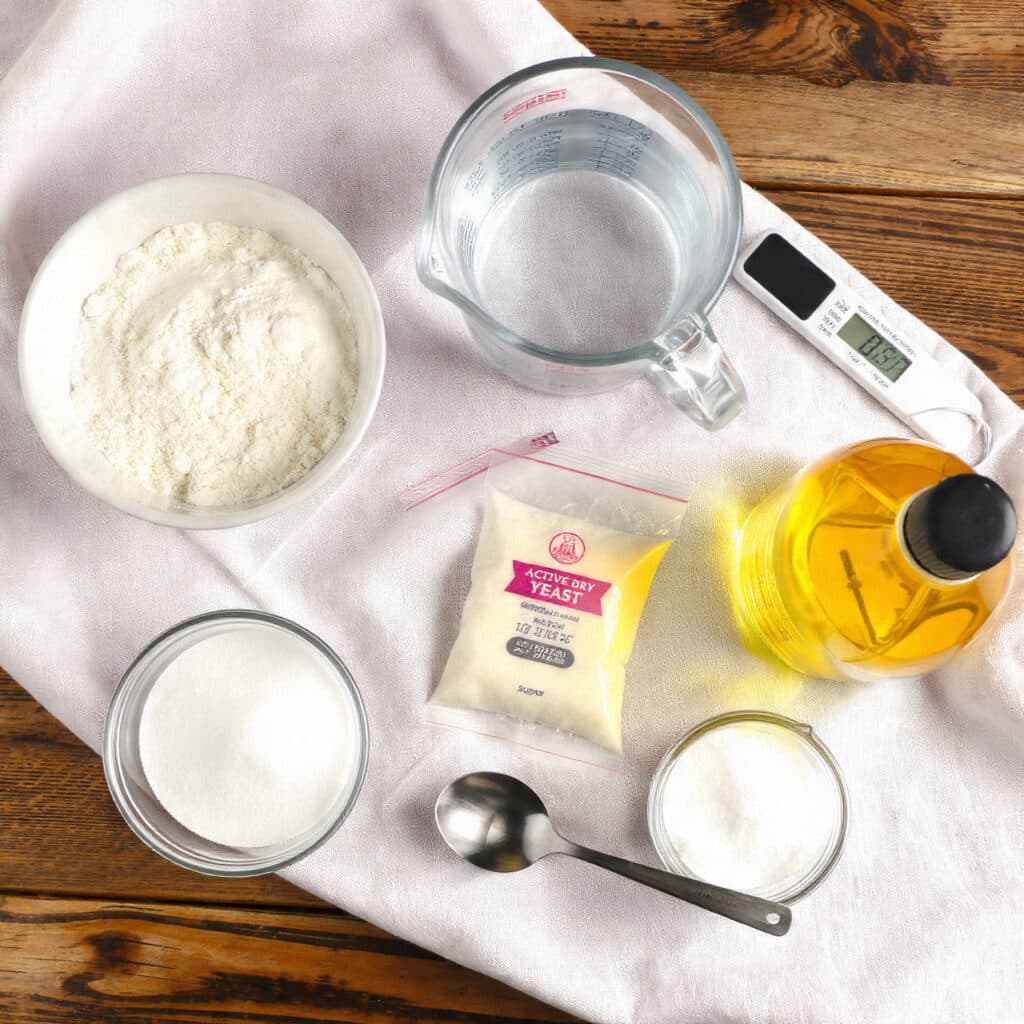
- All-Purpose Flour: 5 to 6 cups. Provides the structure and chewy texture of the bread.
- Warm Water: 2 cups, around 105 to 110°F. Activates the yeast and binds the dough.
- Active Dry Yeast: 1 tablespoon. Helps the bread rise and develop that airy crumb.
- Granulated Sugar: 2 tablespoons. Feeds the yeast and adds a touch of sweetness.
- Salt: 2 teaspoons. Enhances flavor and strengthens the dough.
- Vegetable Oil: 2 tablespoons. Adds moisture and helps create a soft interior.
Ingredient Substitutions
Want to switch things up or adapt to what’s in your pantry? No problem.
All-Purpose Flour: Bread flour for extra chewiness.
Active Dry Yeast: Instant yeast (reduce amount slightly and skip proofing step).
Granulated Sugar: Honey or maple syrup for a natural sweetness.
Vegetable Oil: Olive oil or melted butter for a richer flavor.
Ingredient Spotlight
All-Purpose Flour: This flour is the backbone of the bread. It creates a sturdy dough that holds shape while still producing a soft, tender crumb.
Yeast: The powerhouse that gives your bread life. It ferments the sugars in the dough, releasing gases that make the bread rise and develop complex flavor.
Instructions for Making Homemade French Bread
This process is surprisingly simple and incredibly satisfying. Ready to roll up your sleeves?
- Preheat Your Equipment:
Preheat your oven to 375°F and prepare a baking sheet lined with parchment paper. If using a steam method, place a metal pan on the lower oven rack. - Combine Ingredients:
In a large mixing bowl, combine warm water, sugar, and yeast. Let sit for 5 to 10 minutes until foamy. Stir in oil and salt, then gradually mix in flour until a dough forms. - Prepare Your Cooking Vessel:
Lightly grease a large bowl for rising and a baking sheet or loaf pan for baking. Set aside. - Assemble the Dish:
Turn dough onto a floured surface and knead for 6 to 8 minutes until smooth and elastic. Place in prepared bowl, cover with a damp cloth, and let rise for about 1 hour or until doubled. - Cook to Perfection:
Punch down the dough, divide into two loaves, and shape. Place onto your prepared baking surface. Let rise again for 30 minutes. Score the tops with a sharp knife. Bake for 25 to 30 minutes until golden brown. - Finishing Touches:
Remove from the oven and brush tops with melted butter for a soft, flavorful crust. - Serve and Enjoy:
Let cool slightly before slicing. Enjoy warm or store for later.
Texture & Flavor Secrets
This bread delivers a crisp, golden crust that crackles just a little when you slice it. Inside, it’s soft, pillowy, and slightly chewy. The subtle sweetness from the sugar balances perfectly with the saltiness and rich grain flavor of the flour. The oil gives it that melt-in-your-mouth feel without making it too dense.
Cooking Tips & Tricks
Here are a few things that’ll make your life easier when baking this beauty:
- Use a kitchen scale for more accurate flour measurements.
- Let dough rise in a warm, draft-free space like inside your oven (turned off).
- For an extra crusty top, spray water into the oven every 5 minutes during the first half of baking.
What to Avoid
To keep your French bread on point, watch out for these common hiccups:
- Using hot water: It can kill the yeast and prevent rising.
- Skipping the second rise: Leads to a dense loaf.
- Over-baking: Can dry out the interior and harden the crust too much.
Nutrition Facts
Servings: 16
Calories per serving: 160
Note: These are approximate values.
Preparation Time
Prep Time: 20 minutes
Cook Time: 30 minutes
Total Time: 2 hours
Make-Ahead and Storage Tips
You can prep the dough a day in advance and let it rise in the fridge overnight. Once baked, store your bread wrapped in a kitchen towel or bread bag at room temperature for up to 3 days. For longer storage, slice and freeze. Just reheat in the oven or toaster for a fresh-baked feel.
How to Serve Homemade French Bread
Slice it warm and serve with butter, jam, or honey. It’s excellent alongside soups like tomato or French onion, and it makes an outstanding sandwich base. You can even turn slices into garlic bread or bruschetta for a crowd-pleasing appetizer.
Creative Leftover Transformations
Leftover bread? You’re in luck.
- French Toast: Thick slices soaked in egg mixture and griddled until golden.
- Croutons: Cube, toss with olive oil and herbs, and bake until crunchy.
- Bread Pudding: Sweet or savory, it’s a brilliant way to use up the last bits.
Additional Tips
- Add a teaspoon of dried herbs like rosemary or thyme for an aromatic twist.
- Use a Dutch oven for baking if you want an even crustier loaf.
- Try braiding the dough for a beautiful presentation.
Make It a Showstopper
To make your French bread truly stand out, brush it with egg wash before baking for a glossy finish. You can also sprinkle sesame or poppy seeds on top for texture and flair. Serve it in a rustic bread basket lined with a linen towel for that bakery-style charm.
Variations to Try
- Herb & Garlic French Bread: Add minced garlic and dried herbs to the dough.
- Cheese-Stuffed Loaf: Roll grated cheese into the dough before shaping.
- Whole Wheat Twist: Replace half the flour with whole wheat for a nuttier flavor.
- Olive Bread: Add chopped black or green olives for a Mediterranean spin.
- Sweet Cinnamon Swirl: Roll dough with cinnamon sugar before baking.
FAQ’s
Q1: Can I freeze the dough?
Yes, shape the loaves and freeze before the second rise. Thaw and rise before baking.
Q2: What’s the difference between French bread and a baguette?
French bread is often wider and softer, while baguettes are thinner and crunchier.
Q3: Can I use instant yeast?
Absolutely, just reduce the amount slightly and skip the proofing step.
Q4: Why is my crust too hard?
Too long in the oven or no steam during baking can cause a crust that’s too thick.
Q5: How do I get a more open crumb?
Use high-protein flour and avoid over-kneading. Let the dough rise fully.
Q6: Can I bake this in a Dutch oven?
Yes, it will give you an even crustier exterior and retain more moisture inside.
Q7: Can I make mini loaves?
Definitely, just reduce the bake time accordingly.
Q8: What kind of flour works best?
All-purpose flour works great, but bread flour will give a chewier texture.
Q9: How do I know when it’s done baking?
Tap the bottom—it should sound hollow. Or use a thermometer, it should hit 190°F.
Q10: How long will it stay fresh?
Best eaten within 3 days, but freezes beautifully for up to a month.
Conclusion
Homemade French Bread is one of those timeless recipes that brings so much joy with every slice. It’s simple, comforting, and oh-so-satisfying. Whether you’re baking for the first time or the hundredth, trust me, this one’s worth every bite. So grab your apron and let’s get baking!
Print
Homemade French Bread
- Total Time: 2 hours
- Yield: 2 loaves 1x
- Diet: Vegetarian
Description
Crusty on the outside, soft and airy on the inside—this Homemade French Bread is a comforting classic that’s surprisingly easy to make and perfect for any meal.
Ingredients
- 5 to 6 cups all-purpose flour
- 2 cups warm water (105–110°F)
- 1 tablespoon active dry yeast
- 2 tablespoons granulated sugar
- 2 teaspoons salt
- 2 tablespoons vegetable oil
Instructions
- Preheat your oven to 375°F and line a baking sheet with parchment paper. Place a metal pan on the lower rack if using steam.
- In a large bowl, combine warm water, sugar, and yeast. Let it sit for 5–10 minutes until foamy. Stir in oil and salt, then gradually mix in flour until a dough forms.
- Lightly grease a large bowl and a baking sheet or loaf pan. Set aside.
- Knead the dough on a floured surface for 6–8 minutes until smooth and elastic. Place in the greased bowl, cover with a damp towel, and let rise for 1 hour.
- Punch down the dough, divide into two loaves, and shape. Place on prepared baking surface. Let rise for 30 minutes. Score tops with a sharp knife.
- Bake for 25–30 minutes until golden. For extra crust, mist oven with water during baking.
- Remove and brush tops with melted butter. Let cool slightly before slicing and serving.
Notes
- Use bread flour for a chewier texture.
- Freeze baked loaves for up to a month.
- Add herbs or cheese to the dough for variation.
- Let bread cool fully before storing to prevent sogginess.
- Prep Time: 20 minutes
- Cook Time: 30 minutes
- Category: Bread
- Method: Baking
- Cuisine: French
Nutrition
- Serving Size: 1 slice
- Calories: 160
- Sugar: 1g
- Sodium: 290mg
- Fat: 2g
- Saturated Fat: 0g
- Unsaturated Fat: 2g
- Trans Fat: 0g
- Carbohydrates: 30g
- Fiber: 1g
- Protein: 4g
- Cholesterol: 0mg
Keywords: French bread, homemade bread, easy French bread, crusty bread, bakery style bread